

One-Pan Lemon Herb Chicken Orzo
There is a particular kind of weeknight dinner that I come back to again and again, the kind where everything cooks in one pan, the kitchen stays reasonably clean, and the food still tastes like somebody tried. One-pan lemon herb chicken orzo is exactly that dinner. The chicken sears until golden, the orzo soaks up a lemony, garlicky broth right there in the same pan, and by the time you sit down, the whole thing looks like it took far more effort than it did. It takes about thirty-five minutes from start to finish, and most of that is the pan doing the work while you do something else.
I first made a version of this on a night when I had chicken thighs in the fridge, half a bag of orzo in the cupboard, and a lemon that was about to give up. I was not trying to invent anything. I just wanted dinner on the table without a sink full of pots. The orzo went into the pan with the chicken stock, the lemon went in at the end, and somewhere between the first taste and the second helping, it became one of those recipes my family started asking for by name. It is not fancy food. It is the sort of food that makes an ordinary Tuesday feel like someone cooked on purpose.
Orzo is the quiet hero here. If you have never cooked with it, it looks like rice, behaves like pasta, and somehow ends up creamier than both. It cooks fast, it drinks up whatever liquid you give it, and when that liquid is chicken stock with lemon and garlic in it, every little piece comes out tasting like the sauce. You do not need a separate pot for the pasta and a separate pan for the chicken. The orzo cooks in the pan the chicken just seared in, picking up all the browned flavour left behind. That is the whole trick of a one-pan dinner, and it is why this dish tastes better than the sum of its parts.
The lemon is what keeps it from feeling heavy. A lot of one-pan chicken dinners lean rich and end up tasting the same by the last few bites. Lemon changes that. The zest goes in while the orzo cooks, so the citrus flavour works its way through the whole pan, and the juice goes in at the very end, right before serving, so it stays bright. It is a small detail and it makes a real difference. The dish tastes fresh and light even though it is warm, filling, and thoroughly comforting.
What follows is the version I make most often: four chicken thighs or breasts, orzo, chicken stock, lemon, garlic, and a handful of herbs, all in one large skillet. It serves four, it scales up without fuss, and it is the sort of meal that works for a quiet family dinner and equally well when a friend drops by and you need something on the table fast that still looks like you planned it.
Why You Will Love This Recipe
First, it is a genuine one-pan dinner, and that matters more than it sounds. The chicken sears in the pan, the garlic and orzo go into the same pan, the stock goes in, and the whole thing finishes in the oven or under a lid on the stove. There is no colander to wash, no second pot for the pasta, and no juggling of burners. When dinner is done, the washing up is one pan, one cutting board, and a knife. On a weeknight, when cooking already feels like one more job on a long list, that is not a small thing.
Second, it is fast without feeling rushed. The whole thing takes about thirty-five minutes, and a good ten of those are hands-off simmering while the orzo absorbs the stock. There is no marinating, no overnight wait, and nothing that needs to be made in advance. You can start cooking at six and be eating before half past. That kind of timing turns a recipe from something you save for weekends into something you actually make on a Tuesday.
Third, it tastes like far more effort than it takes. The orzo cooks in the same liquid that deglazed the pan, so it picks up the browned chicken flavour that would otherwise be scrubbed down the sink. The lemon and herbs keep it bright, and a little Parmesan stirred in at the end gives it a creamy finish without any cream at all. People who eat it tend to assume it came from a cookbook with a photograph. It did not. It came from a tired cook, a lemon, and a pan.
Finally, it is flexible in the way good weeknight recipes should be. Swap the thighs for breasts, the spinach for peas, the Parmesan for Pecorino, the chicken stock for vegetable stock, and it still works. Add mushrooms when you have them, leave them out when you do not. Once you know the method — sear, build the broth, add the orzo, finish with lemon — you can change the details a dozen ways and still end up with dinner. That is what makes a recipe worth keeping.
Ingredients You Will Need
For the chicken, you will need 4 boneless, skinless chicken thighs or 2 large chicken breasts, about 1 1/2 pounds in total, 1 teaspoon of salt, 1/2 teaspoon of black pepper, 1 teaspoon of dried oregano, 1/2 teaspoon of paprika, and 2 tablespoons of olive oil. I usually reach for thighs, because they stay juicy in a way breast meat rarely does, and they forgive an extra minute or two on the heat. Breasts work perfectly well too, especially if you pound them to an even thickness first, but watch them a little more closely so they do not dry out.
For the orzo and the broth, you will need 1 1/2 cups of dried orzo, 3 cups of low-sodium chicken stock, 4 cloves of garlic, thinly sliced, 1 medium onion, finely diced, and 1 tablespoon of butter. The stock is doing most of the flavour work here, so use a decent one. If your stock is very salty, use low-sodium and season at the end instead. The orzo will absorb almost all of it, so whatever the stock tastes like, the finished dish will taste like it too.
For the lemon and herbs, you will need 1 large lemon, both the zest and the juice, 1/2 cup of freshly grated Parmesan cheese, 2 cups of baby spinach, and a small handful of fresh parsley, chopped. The zest is not optional. Most of the lemon flavour in this dish comes from the zest, not the juice, because the zest holds up to cooking in a way the juice does not. A teaspoon of dried Italian seasoning can stand in for the fresh parsley if that is what you have, but fresh herbs at the end make the whole pan look and taste finished.
A note on the orzo: it is a small, rice-shaped pasta, and it cooks much faster than most pasta shapes, usually in eight to ten minutes. That speed is part of why this recipe works in one pan. Do not rinse it, do not pre-cook it, and do not use a full pound of it. One and a half cups is the right amount for three cups of stock. More than that and the pan will run dry before the orzo is tender, and you will end up topping it up with water and diluting all the flavour you just built. If you want to know more about how orzo is made and where it comes from, this orzo overview is a good short read.
How to Make One-Pan Lemon Herb Chicken Orzo
Start by patting the chicken dry with paper towels and seasoning it on both sides with the salt, pepper, oregano, and paprika. Dry chicken sears; wet chicken steams. That is the whole difference between golden, crisp-edged chicken and pale, rubbery chicken, and it takes ten seconds with a paper towel. Let the seasoned chicken sit for a few minutes while the pan heats, so the salt has a moment to settle into the surface.
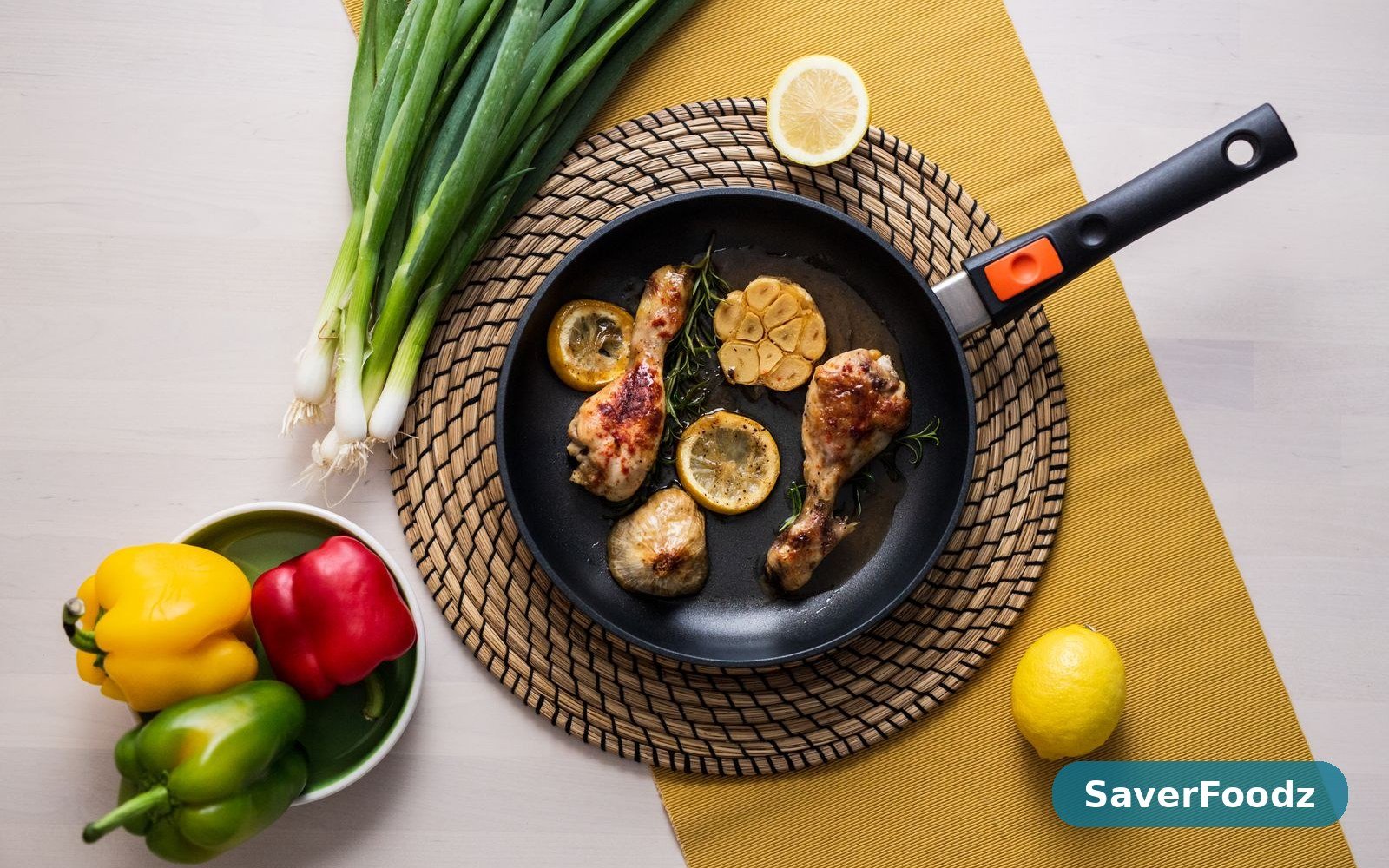
Heat the olive oil in a large, deep skillet over medium-high heat until it shimmers. A 12-inch skillet with a lid is ideal, because the orzo needs room to spread out in a single layer and the lid matters later. Place the chicken in the pan, leaving space between the pieces, and leave it alone for 5 to 6 minutes. Do not move it, do not press it down, and do not peek underneath every thirty seconds. Let it cook undisturbed until the underside is deeply golden and the chicken releases easily when you lift a corner. If it sticks, it is not ready yet. Give it another minute. Flip and cook for 4 to 5 minutes on the second side, until mostly cooked through. The chicken does not need to be fully done at this point, because it will finish cooking in the broth with the orzo. Transfer it to a plate and set it aside.
Turn the heat down to medium and add the butter to the same pan. Once it melts, add the diced onion and cook for 2 to 3 minutes, stirring, until it softens and turns translucent. Add the garlic and cook for about a minute more, until it smells wonderful and turns just barely golden. Watch it closely. Garlic goes from perfect to burnt in seconds, and burnt garlic will make the whole pan taste bitter. The moment it turns golden, pour in about half a cup of the chicken stock and scrape the bottom of the pan with a wooden spoon. All those browned bits stuck to the bottom are flavour, and this is the moment you rescue them.
Add the rest of the stock, the lemon zest, and the orzo, and stir everything together so the orzo is spread out in an even layer. Bring it to a gentle simmer, then nestle the chicken back into the pan, tucking the pieces down into the orzo so they are partly submerged. Reduce the heat to medium-low, cover the pan with a lid, and let it simmer for 10 to 12 minutes, until the orzo is tender and most of the stock has been absorbed. Lift the lid once halfway through and give it a gentle stir, so the orzo does not clump together at the bottom. If the pan looks dry before the orzo is done, add a splash more stock, a quarter cup at a time.
When the orzo is tender, take the pan off the heat. Stir in the spinach a handful at a time until it wilts into the orzo, which takes about a minute. Squeeze in the lemon juice, sprinkle in the Parmesan, and stir gently until the cheese melts and the whole pan turns glossy and creamy. Taste it. This is the moment to adjust. A little more salt, another squeeze of lemon, a pinch of pepper. The dish should taste bright and savoury at the same time, with the lemon in the background rather than shouting. Scatter the chopped parsley over the top, let it rest for 5 minutes with the lid on, and serve it straight from the pan.
Tips for the Best Chicken Orzo
The single most important tip is about the liquid. Orzo is thirsty, and it will keep drinking long after you think it is done. If you let the pan sit too long off the heat, the orzo will soak up the remaining broth and turn stodgy. That is why the five-minute rest matters, but a fifteen-minute rest does not. Serve it while it is still loose and glossy, with a little broth clinging to every piece. If it does tighten up while you are setting the table, stir in a splash of warm stock before you serve it. It will loosen right back up.
The second tip is about the sear. Do not crowd the pan. If the chicken pieces are touching, they will steam instead of searing, and you will lose the golden crust that gives the dish its colour and a good part of its flavour. If your skillet is not large enough for all the chicken at once, sear it in two batches. It takes a few minutes longer, but it is worth it. A good sear is mostly about leaving things alone, and a crowded pan is the enemy of a good sear.
The third tip is about the lemon. Zest the lemon before you juice it, and put the zest in early, with the stock. The heat draws the oils out of the zest and carries the flavour through the whole pan. The juice goes in at the very end, off the heat, so it stays bright. If you put the juice in early, it cooks off and turns flat, and you end up with a dish that tastes faintly sour rather than fresh. Zest early, juice late. That is the whole rule, and it applies to almost any lemon dish you will ever cook.
Finally, season in layers. Season the chicken before it goes in the pan, taste the broth before the orzo goes in, and taste the finished dish before you serve it. The Parmesan adds saltiness of its own, so go easy on the salt until the cheese is in and you can taste the finished result. Stock varies a lot from brand to brand, and the only way to know where yours sits is to taste it. A dish that is seasoned at the end, in the pan, always tastes better than one that was seasoned once at the beginning and never checked again.
Variations to Try
Once you have the basic version down, this pan is easy to change. For a mushroom version, add 8 ounces of sliced mushrooms to the pan after removing the chicken, and cook them in the butter until they are golden before adding the onion. The mushrooms soak up the butter and add an earthy depth that works beautifully with the lemon. This is the version I make most often in autumn, when mushrooms are cheap and the evenings start to feel cold.
For a sun-dried tomato version, stir in a third of a cup of chopped sun-dried tomatoes with the orzo. They soften as the orzo cooks and give the whole dish a tangy, savoury sweetness that pairs well with the lemon. A handful of crumbled feta on top at the end, instead of the Parmesan, leans the dish a little Mediterranean and looks lovely on the table. If you like olives, a few Kalamata olives stirred in at the end work the same way.
For a creamy version, stir in a third of a cup of heavy cream with the Parmesan at the end, and let it warm through for a minute before serving. The sauce turns silky and rich, and the lemon keeps it from feeling heavy. This is a good version for a cold night or for anyone who likes their pasta on the indulgent side. It is also the closest this recipe gets to the comfort of our creamy garlic butter chicken thighs, which uses the same idea of a rich sauce in a single pan.
For a lighter version, use chicken breast, skip the butter and use an extra tablespoon of olive oil, and leave out the Parmesan or use half as much. The dish will be a little less rich, but the lemon and herbs still carry it, and it stays satisfying. Add a second handful of spinach or a cup of peas at the end for extra vegetables. It is a sensible swap for a weeknight when you want the comfort without the full richness, and it still tastes like the same dinner.
What to Serve With It
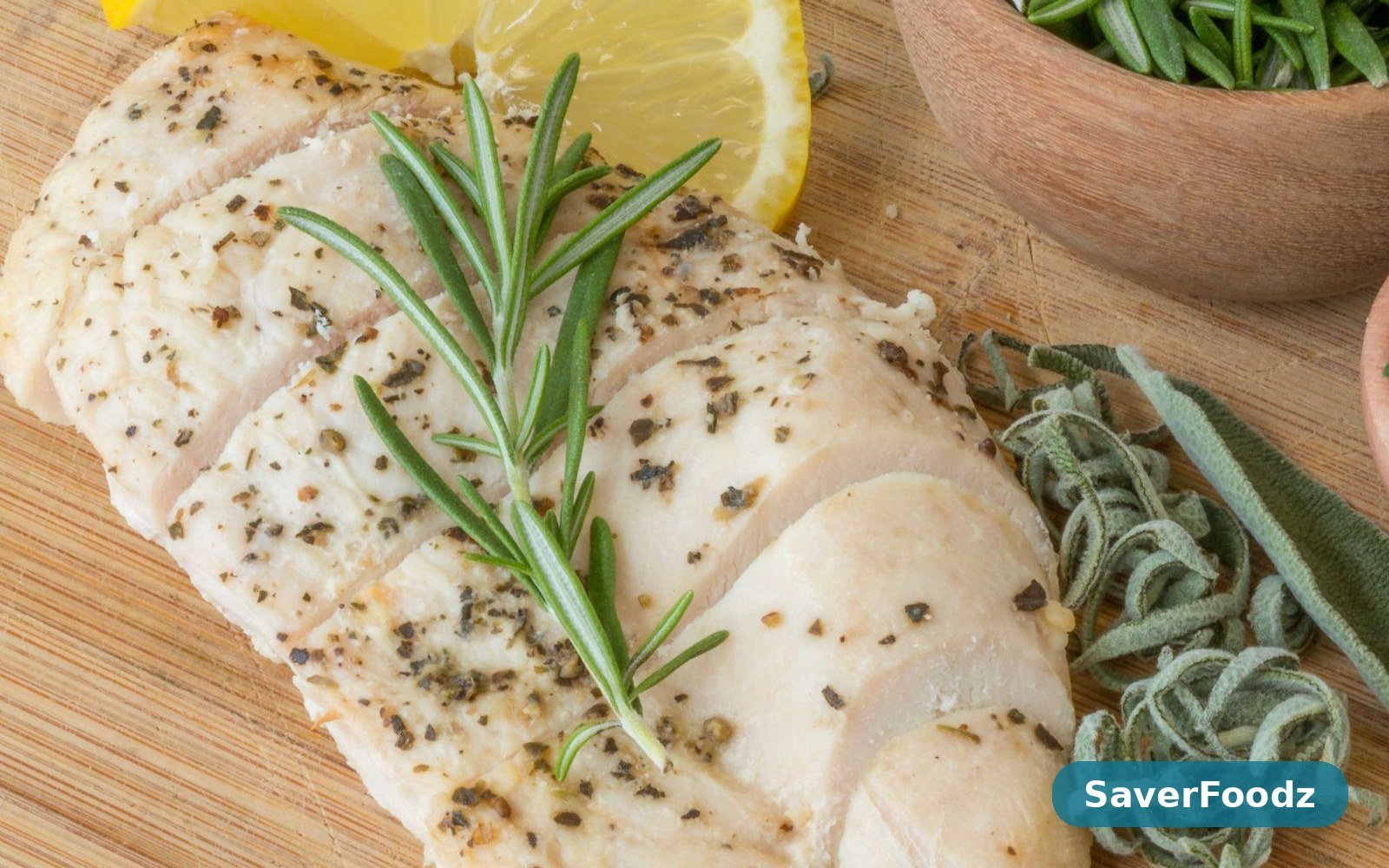
One-pan lemon herb chicken orzo is a complete meal on its own, with protein, pasta, and greens all in the same pan. It does not need a side dish, and on most nights I serve it exactly as it is, straight from the skillet, with a spoon for seconds. But if you are feeding a crowd, or you just like a fuller table, a few simple things go well with it.
A green salad with a sharp vinaigrette is the easiest partner. The acidity in the dressing echoes the lemon in the pan, and the crisp lettuce is a nice contrast to the soft, creamy orzo. A simple cucumber and tomato salad does the same job if you want something lighter. Crusty bread is the other obvious choice, and it is there for one reason only: to mop up whatever sauce is left in the pan. Someone will do it, and that person will be right.
If you want a warm vegetable on the side, roasted broccoli or green beans take ten minutes in the oven and add colour to the plate. Their slight bitterness balances the richness of the Parmesan, and they need almost no attention while the orzo cooks. For a heartier meal, a bowl of soup beforehand or a simple dessert afterwards turns it into a proper dinner. And if you are looking for more ideas in the same one-pan family, browse our one-pan and skillet recipes — the whole point of that collection is dinners like this one, where the pan does the work and the washing up stays small. If you are new to cooking chicken in a skillet, our easy skillet chicken recipes for beginners walk through the basics, from searing to knowing when the chicken is done.
Storage and Make-Ahead
Leftover chicken orzo keeps well in the fridge for up to 3 days, stored in an airtight container. The orzo will keep absorbing liquid as it sits, so it will be thicker the next day than it was when you served it. That is completely normal. Reheat it gently in a skillet over low heat with a splash of chicken stock, stirring until it loosens up again. It will not be quite as glossy as the fresh version, but it will still taste very good. Do not microwave it on high, or the chicken can dry out and the orzo can turn gummy. Low and slow is the rule.
You can also make the dish a few hours ahead and reheat it before serving. Cook it fully, let it cool, and store it in the pan, covered, in the fridge. When dinner time comes, warm it over low heat for about 10 minutes, adding a splash of stock as it heats. Hold back the lemon juice and the Parmesan until you reheat it, and stir them in fresh. The flavours actually improve a little with a few hours of rest, as the lemon and herbs settle into the orzo, and the chicken absorbs more of the broth. This makes it a good option for entertaining, since the main course is done before your guests arrive.
Freezing is possible but not ideal. The orzo can turn mushy when it thaws, and the chicken loses some of its texture. If you do freeze it, store it in a freezer-safe container for up to 2 months, thaw overnight in the fridge, and reheat gently with a splash of stock. It will taste fine, but the texture will not be quite as good as the fresh version. For best results, make it fresh and enjoy the leftovers within a few days. For another make-ahead dinner that uses the same pantry staples, our easy chicken and rice is a good place to start, especially if you have leftover chicken to use up.
Frequently Asked Questions
Can I use chicken breast instead of thighs?
Yes, and it works very well. Chicken breast cooks faster than thighs, so reduce the searing time to about 4 minutes per side and check that the chicken is cooked through when the orzo is tender. The best way to keep breast meat juicy is to pound the pieces to an even thickness before cooking, so they cook at the same rate, and to take them out of the pan as soon as they reach 165 degrees Fahrenheit. If you let them simmer in the orzo for too long, they will dry out. Thighs are more forgiving, which is why I usually choose them, but breasts are a perfectly good swap.
What is orzo, and can I substitute another pasta?
Orzo is a small pasta shaped like a large grain of rice. It is made from wheat, it cooks in about eight to ten minutes, and it turns creamy as it absorbs liquid, which is what makes it so good in a one-pan dish. You can substitute another small pasta shape, like ditalini or small shells, but you will need to adjust the cooking time and possibly the amount of stock, since different shapes absorb liquid at different rates. Rice is not a direct substitute here, because it cooks more slowly and needs a different ratio of liquid. If you have never cooked with orzo before, this dish is a good place to start, because the method is forgiving and the result is hard to get wrong.
Why did my orzo turn out mushy or sticky?
Orzo usually turns mushy for one of two reasons: too much liquid, or too much time. The ratio in this recipe, one and a half cups of orzo to three cups of stock, is the right balance for a covered simmer of ten to twelve minutes. If you add extra stock to be safe, the orzo will overcook. If you leave the pan on the heat after the orzo is tender, it will keep cooking in the residual heat and go soft. Take it off the heat as soon as the orzo is tender, and serve it within a few minutes. Stirring it once halfway through cooking also helps, because it stops the orzo from clumping together at the bottom of the pan.
Can I make this dairy-free?
Yes. Leave out the butter and use an extra tablespoon of olive oil, skip the Parmesan, and finish the dish with an extra squeeze of lemon and a little more fresh parsley. The orzo will still turn creamy from the starch it releases as it cooks, so the dish will not feel like it is missing something. A spoonful of nutritional yeast stirred in at the end gives a savoury, cheesy note if you want it, but it is not necessary. The chicken itself needs no changes, and the lemon and herbs carry the flavour on their own.
Can I add vegetables to this dish?
Absolutely. This is a good recipe for using up whatever is in the fridge. Peas, stirred in with the spinach at the end, are the easiest addition, because they only need a minute to warm through. Chopped zucchini or bell pepper can go in with the onion at the start. Cherry tomatoes, halved and added with the orzo, soften as the dish cooks and add a lovely sweetness. Mushrooms go in after the chicken comes out, as described in the variations above. The only rule is to keep the total amount modest, about a cup or two, so the pan does not get crowded and the orzo still has room to cook evenly.
How do I know when the chicken is cooked through?
The most reliable way is a meat thermometer. Chicken is done at 165 degrees Fahrenheit, measured at the thickest part of the piece. If you do not have a thermometer, cut into the thickest piece and check that the meat is no longer pink and the juices run clear. Thighs are forgiving, so a couple of degrees over will not ruin them the way it would ruin a chicken breast. The chicken also finishes cooking while it simmers in the orzo, so by the time the pasta is tender, the chicken is almost always done. For more chicken inspiration, browse this chicken recipes collection.

2 Comments