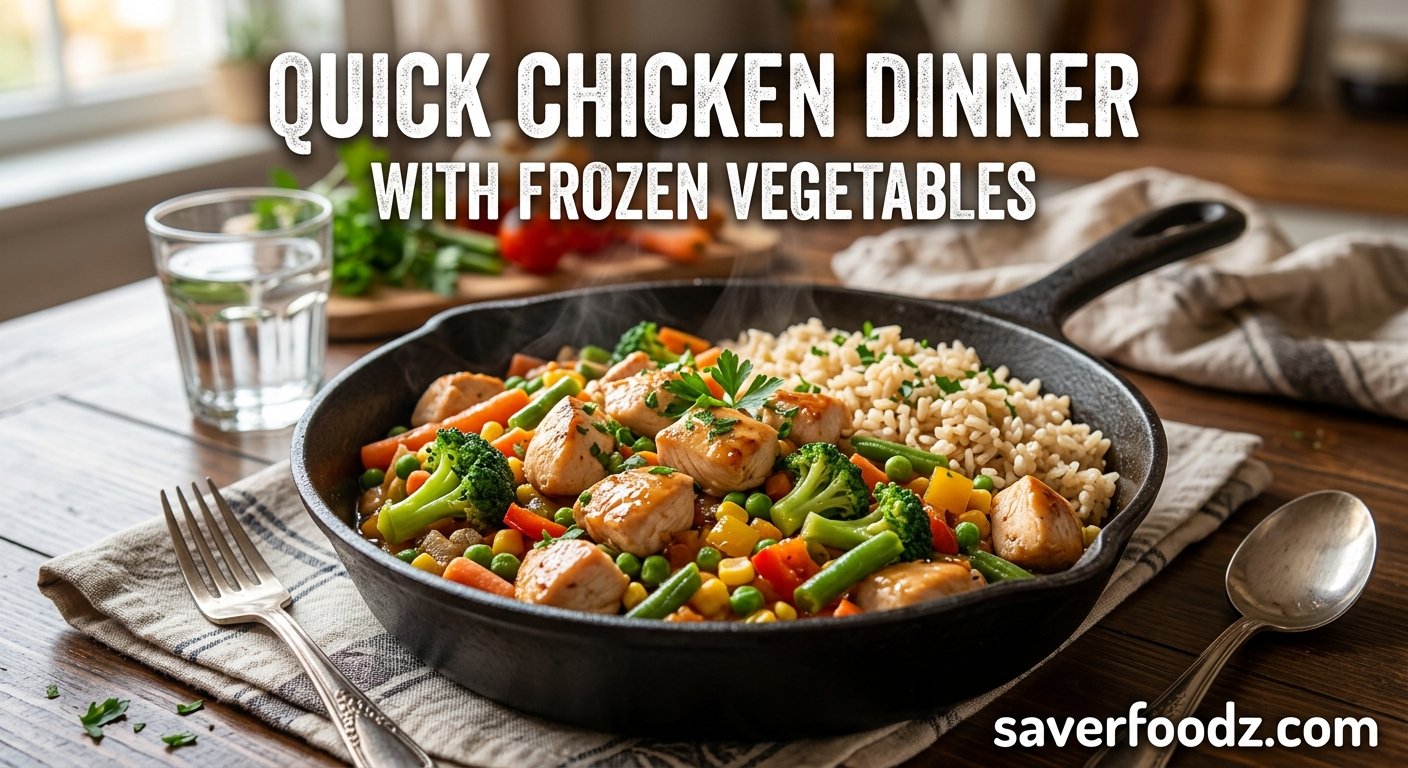
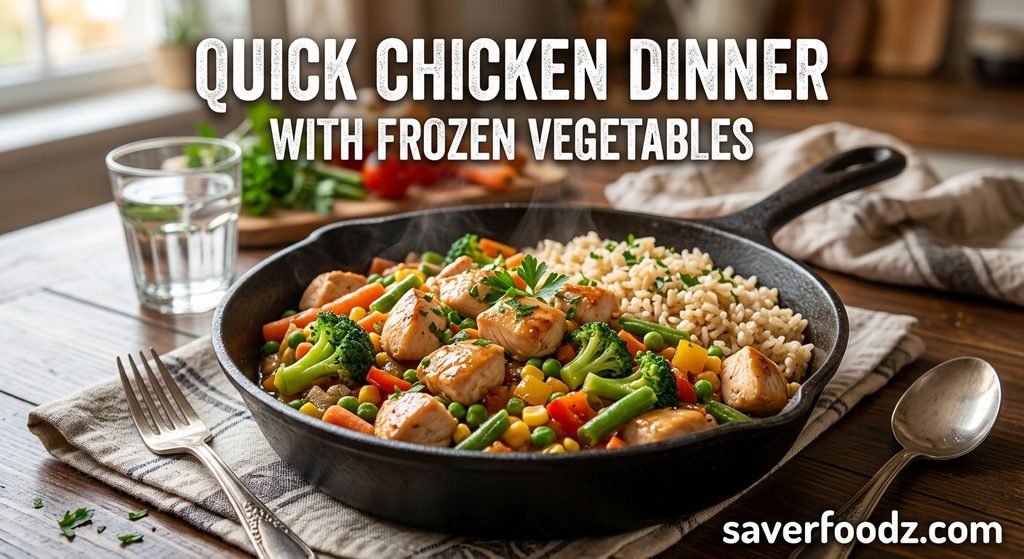
Quick Chicken Dinner with Frozen Vegetables
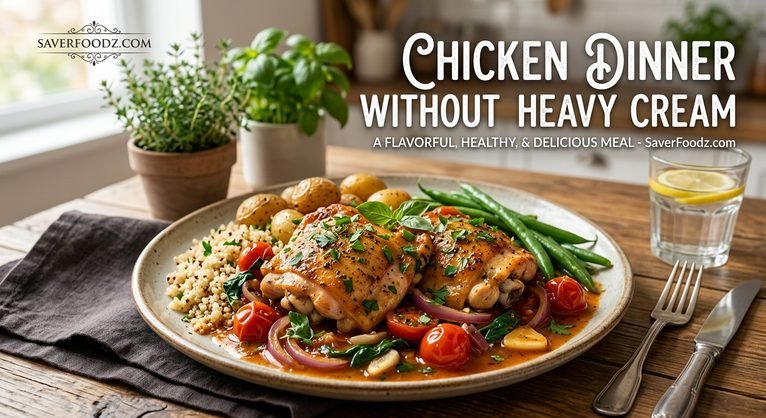
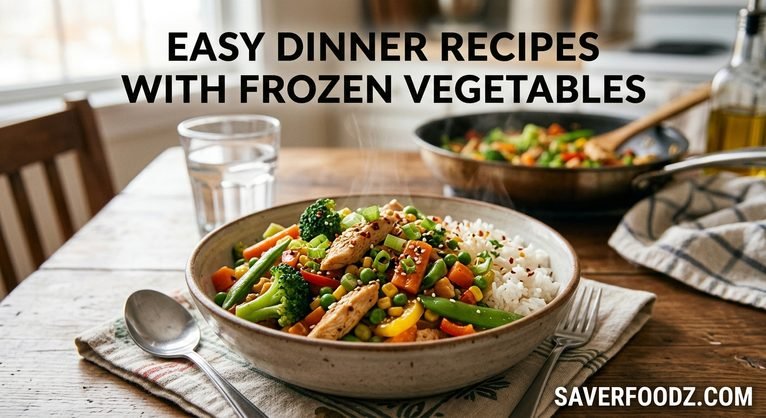
When dinner needs to happen quickly, it helps to have a recipe that does not require a long list of fresh ingredients. This quick chicken dinner with frozen vegetables is exactly the kind of meal that makes busy evenings easier. It uses simple ingredients, cooks in one pan, and turns basic chicken and frozen vegetables into a warm, flavorful dinner the whole family can enjoy.
Frozen vegetables are especially useful for weeknight cooking because there is no washing, peeling, or chopping required. You can keep a bag in the freezer and use only what you need. Add tender chicken, a few everyday seasonings, garlic, and a simple sauce, and you have a satisfying meal ready in about 30 minutes.
Whether you are cooking for your family, preparing dinner after work, or simply looking for an easy way to use ingredients already in your kitchen, this recipe is worth keeping in your regular rotation.
Why You Will Love This Quick Chicken Dinner
There are plenty of reasons to make this easy chicken dinner with frozen vegetables.
First, it is fast. You do not need to wait for the oven to preheat, and most of the cooking happens in one skillet.
Second, it is flexible. You can use mixed vegetables, broccoli, peas, carrots, corn, green beans, or almost any frozen vegetable combination you already have.
Third, the ingredients are simple. You do not need unusual sauces or expensive ingredients to make the chicken flavorful.
Finally, cleanup is easy because everything can be cooked in one pan.
This makes it a practical quick chicken dinner with frozen vegetables for busy weeknights when you want something homemade without spending an hour in the kitchen.
Ingredients You Need
For about four servings, you will need:
- 1 ½ pounds boneless, skinless chicken breasts or thighs
- 3 cups frozen mixed vegetables
- 2 tablespoons cooking oil
- 3 cloves garlic, minced
- 1 small onion, sliced or diced
- 1 teaspoon paprika
- ½ teaspoon black pepper
- ½ teaspoon salt, or to taste
- ½ teaspoon dried oregano
- ½ teaspoon garlic powder
- ½ cup chicken broth
- 2 tablespoons soy sauce
- 1 tablespoon lemon juice
- 1 teaspoon honey or brown sugar
- 1 tablespoon cornstarch
- 2 tablespoons cold water
- Fresh parsley for serving, optional
You can easily adjust these ingredients depending on what you have at home. Chicken thighs are especially good if you prefer juicy, tender meat, while chicken breast works well when you want a leaner dinner.
How to Make Quick Chicken Dinner with Frozen Vegetables
1. Prepare the Chicken
Start by cutting the chicken into small, bite-sized pieces. Try to keep the pieces similar in size so they cook evenly.
Place the chicken in a bowl and season it with paprika, black pepper, salt, oregano, and garlic powder. Toss well so every piece is lightly coated.
Cutting the chicken into smaller pieces is one of the easiest ways to make this dinner cook quickly.
2. Cook the Chicken
Heat a large skillet over medium-high heat and add the oil.
Once the oil is hot, add the seasoned chicken in a single layer. Cook for about 4 to 6 minutes, stirring occasionally, until the outside is golden and the chicken is nearly cooked through.
Do not overcrowd the skillet. If your pan is small, you may need to cook the chicken in two batches. Crowding the pan can cause the chicken to release too much moisture, which prevents it from browning properly.
Transfer the cooked chicken to a plate and set it aside.
3. Cook the Onion and Garlic
Using the same skillet, add the diced onion. Cook for about 2 minutes until it starts to soften.
Add the minced garlic and cook for another 30 seconds. Garlic cooks quickly, so keep an eye on it and avoid letting it become dark brown.
The onion and garlic will pick up the flavorful browned bits left behind by the chicken.
4. Add the Frozen Vegetables
Now add the frozen vegetables directly to the skillet.
There is usually no need to thaw them first. Cooking frozen vegetables straight from the freezer helps keep this recipe simple and saves preparation time.
Stir the vegetables with the onion and garlic. Cook for about 4 to 5 minutes, stirring occasionally.
If your frozen vegetables contain larger pieces of broccoli or carrots, give them a little extra cooking time.
5. Make the Simple Sauce
While the vegetables cook, mix the chicken broth, soy sauce, lemon juice, and honey in a small bowl.
Pour the mixture into the skillet and stir.
The combination of salty soy sauce, bright lemon juice, and a little sweetness creates a simple sauce that brings the chicken and vegetables together.
6. Return the Chicken to the Pan
Add the cooked chicken back to the skillet.
Stir everything together and allow it to simmer for about 3 to 4 minutes.
To make the sauce slightly thicker, mix the cornstarch with cold water in a small bowl. Stir until smooth, then pour it into the skillet.
Cook for another 1 to 2 minutes, stirring gently, until the sauce thickens and coats the chicken and vegetables.
Make sure the chicken reaches an internal temperature of 165°F (74°C).
7. Serve
Remove the skillet from the heat and taste the dish. Add a little extra black pepper, soy sauce, or lemon juice if needed.
Sprinkle with fresh parsley if desired.
Your quick chicken dinner with frozen vegetables is now ready to serve.
What Frozen Vegetables Work Best?
One of the best things about this recipe is that you do not have to use one specific vegetable blend.
A classic frozen mixed vegetable bag containing peas, carrots, corn, and green beans works beautifully.
You can also use:
- Frozen broccoli
- Frozen cauliflower
- Frozen peas
- Frozen green beans
- Frozen carrots
- Frozen bell peppers
- Frozen stir-fry vegetables
- Frozen spinach
- Frozen corn
If you have several half-used bags of frozen vegetables in your freezer, this recipe is a great way to use them.
For a more colorful dinner, combine broccoli, carrots, and bell peppers. For a sweeter flavor, add corn and peas. If you like Asian-inspired flavors, frozen stir-fry vegetables are an excellent choice.
Should You Thaw Frozen Vegetables First?
Usually, no.
For this recipe, frozen vegetables can go directly into the skillet. This is one of the reasons it is such a convenient weeknight meal.
Thawing vegetables beforehand can add unnecessary preparation time. Frozen vegetables are already cleaned and prepared, so you can simply add them to the pan.
However, if your vegetables release a lot of water, cook them uncovered for a few extra minutes. This allows excess moisture to evaporate and helps the sauce become more concentrated.
Chicken Breast or Chicken Thighs?
Both work well.
Chicken breast is a popular choice because it is lean and cooks quickly when cut into small pieces. The key is not to overcook it.
Chicken thighs contain more fat, which helps them stay juicy and flavorful. They are especially forgiving if you accidentally cook them for an extra minute or two.
For the easiest version, choose whichever cut you already have in your refrigerator or freezer.
If using frozen chicken, make sure it is safely thawed before cutting it into pieces. Cooking times can vary depending on the size and thickness of the chicken.
How to Make This Recipe Even Faster
There are several simple ways to reduce preparation time.
Use pre-cut chicken if your grocery store offers it. You can also prepare the chicken earlier in the day and keep it refrigerated until dinner.
Keep a few bags of frozen vegetables in your freezer. This eliminates most vegetable preparation.
Minced garlic from a jar can also be used when you are especially short on time.
Another useful shortcut is to make a small batch of sauce in advance. Store it in the refrigerator and use it for several quick meals during the week.
These little habits can turn this recipe into a reliable quick chicken dinner with frozen vegetables whenever you need something fast.
What to Serve with This Chicken Dinner
This skillet chicken is filling on its own, but it pairs nicely with several simple side dishes.
Steamed Rice
Rice is probably the easiest choice. The flavorful sauce from the chicken and vegetables can be spooned directly over warm rice.
Brown Rice
For a heartier option, serve the chicken with brown rice. Its slightly nutty flavor works well with the savory sauce.
Noodles
Cooked egg noodles, rice noodles, or even spaghetti can turn this skillet meal into a simple chicken noodle dinner.
Mashed Potatoes
If you prefer classic comfort food, serve the chicken and vegetables over mashed potatoes. The sauce acts almost like a light gravy.
Crusty Bread
A piece of warm bread is perfect for soaking up the extra sauce from the skillet.
Easy Variations
The basic recipe is flexible enough to change depending on your taste.
Creamy Chicken and Vegetables
For a creamy version, add a small amount of cream cheese or plain Greek yogurt after removing the skillet from high heat. Stir until smooth.
Spicy Chicken and Vegetables
Add red pepper flakes, cayenne pepper, or your favorite hot sauce for some heat.
Garlic Butter Chicken
Replace some of the cooking oil with butter and add extra garlic. This creates a rich, comforting flavor.
Teriyaki-Style Chicken
Use teriyaki sauce instead of the soy sauce and honey combination. Add sesame seeds and green onions before serving.
Lemon Herb Chicken
Increase the lemon juice and add dried Italian herbs or fresh parsley. This creates a lighter, brighter version.
Cheesy Chicken and Vegetables
Sprinkle shredded cheddar, mozzarella, or Monterey Jack cheese over the finished skillet. Cover for a minute or two until the cheese melts.
Tips for Tender Chicken
The biggest mistake with quick chicken recipes is overcooking the chicken.
Cut the chicken into evenly sized pieces so everything cooks at approximately the same rate.
Do not cook it over extremely high heat for too long. Medium-high heat is usually enough to brown the outside while keeping the inside juicy.
Also, allow the chicken to rest briefly after cooking before serving.
Chicken thighs are naturally more forgiving, but even chicken breast can remain tender when it is cooked just until done.
Tips for Better Frozen Vegetables
Frozen vegetables are convenient, but a few simple techniques can make them taste even better.
Do not boil them in a large amount of water. For this skillet recipe, cooking them directly in the pan helps retain flavor.
Avoid overcrowding the skillet. Too many frozen vegetables at once can create excess steam.
If you want more roasted flavor, let the vegetables sit undisturbed for a minute or two before stirring. This gives them a chance to develop a little browning.
Finally, season the vegetables as they cook rather than relying entirely on the sauce at the end.
Can You Make This Dinner Ahead?
Yes.
Cook the chicken and vegetables as directed, then allow the meal to cool before transferring it to an airtight container.
Store it in the refrigerator for up to 3 to 4 days.
When reheating, use a skillet or microwave until the food is heated through. If the sauce becomes too thick, add a small splash of chicken broth or water.
This makes the recipe useful for meal preparation as well as quick family dinners.
Can You Freeze Leftovers?
Yes, although the texture of some vegetables may become softer after freezing and reheating.
For best results, cool the cooked meal completely before placing it in a freezer-safe container.
Freeze for up to about 2 to 3 months for the best quality.
Thaw overnight in the refrigerator and reheat thoroughly before serving.
If you know you will freeze the meal, vegetables such as peas, corn, carrots, and green beans generally hold up well.
Common Mistakes to Avoid
Adding Too Much Liquid
Frozen vegetables naturally contain water. Start with the amount of broth listed in the recipe and adjust only if necessary.
Overcrowding the Pan
Too much food in a small skillet causes steaming instead of browning. Use a large skillet for the best results.
Overcooking the Chicken
Small chicken pieces cook quickly. Remove them from the pan when they are almost done and finish them in the sauce.
Forgetting to Taste
Soy sauce can vary in saltiness. Always taste the finished dish before adding more salt.
Making the Sauce Too Thick
Cornstarch thickens quickly. Add it gradually and remember that the sauce will continue to thicken slightly as it cools.
Frequently Asked Questions
Can I use frozen chicken?
For this particular method, it is better to use thawed chicken because it can be cut into even pieces and cooked more consistently. Frozen chicken can require a different cooking method and longer cooking time.
Can I use leftover cooked chicken?
Absolutely. If you already have cooked chicken, skip the chicken-cooking step. Add the cooked chicken near the end, just long enough to heat it through.
This is one of the easiest ways to turn leftovers into a new meal.
Can I make this recipe without soy sauce?
Yes. You can replace soy sauce with a little Worcestershire sauce, coconut aminos, or simply season the dish with salt and herbs.
Can I use fresh vegetables?
Of course. Fresh broccoli, carrots, bell peppers, zucchini, or green beans can be used. You may need to adjust the cooking time depending on the vegetables.
Is this a one-pan chicken dinner?
Yes. The chicken, vegetables, and sauce are all prepared in the same skillet, which means fewer dishes to wash afterward.
Can I make it spicy?
Yes. Add crushed red pepper flakes, cayenne, chili powder, or hot sauce according to your preference.
Final Thoughts
A good weeknight dinner does not have to be complicated. This quick chicken dinner with frozen vegetables proves that simple ingredients can create a meal that is flavorful, filling, and easy to prepare.
The combination of tender chicken, colorful frozen vegetables, garlic, and a savory homemade sauce gives you everything you want in a practical dinner. Best of all, you can customize it based on what is already in your freezer and pantry.
Keep frozen vegetables and chicken on hand, and you will always have the foundation for an easy homemade meal. Serve it with rice, noodles, potatoes, or bread, and change the seasonings whenever you want something different.
For busy nights when you need dinner on the table without a lot of chopping or complicated preparation, this recipe is a simple one to remember. It is quick, flexible, budget-friendly, and delicious enough to become a regular part of your weekly dinner routine.