
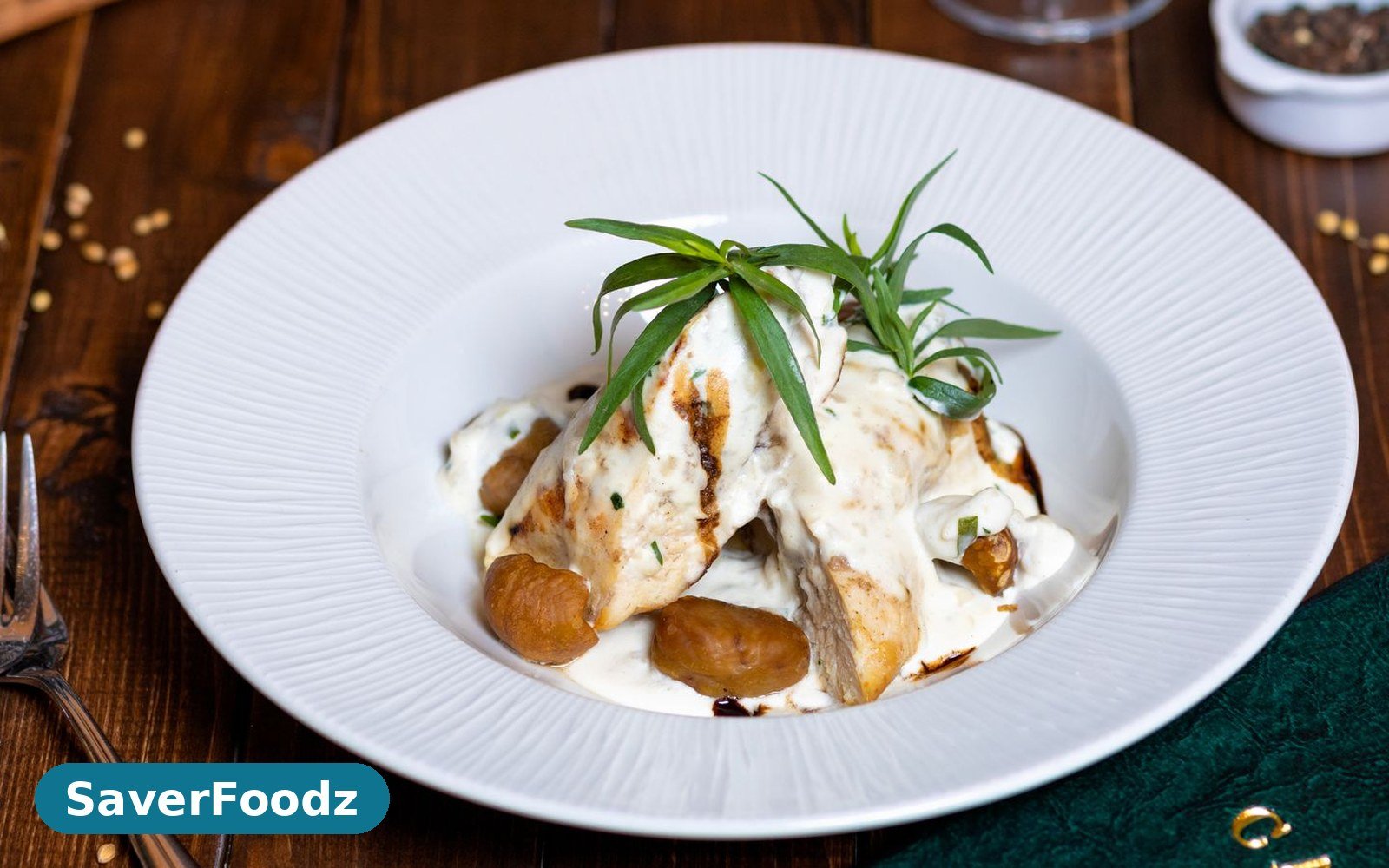
Creamy Garlic Butter Chicken Thighs
Some dinners announce themselves before they reach the table. This is one of them. The smell of garlic hitting warm butter, the sound of chicken skin crisping in the pan, the sauce turning glossy as the cream goes in — by the time the thighs go back into the skillet, everyone in the house has already wandered into the kitchen to ask what is cooking. That is the whole appeal of creamy garlic butter chicken thighs. It tastes like something from a restaurant, it looks like something from a restaurant, and it comes together in one pan on an ordinary Tuesday night with ingredients you probably already have.
I started making this dish the way most weeknight recipes start in my house: with a pack of chicken thighs I had bought on sale and no real plan. Chicken breast was what I usually reached for, because it felt like the safe choice, but thighs kept winning me over. They stay juicy in a way breast meat rarely does, they forgive an extra minute or two on the heat, and the skin, when you get it right, turns into something crisp and golden that makes the whole plate feel special. Once I worked out the timing, this became one of those recipes I could make without looking at a note, and one my family started requesting by name.
The sauce is the part people remember. It is not complicated, and that is the point. Butter, garlic, a splash of chicken stock, and cream, reduced just long enough to thicken into something that coats a spoon. It tastes rich without being heavy, and it has enough garlic in it to feel generous rather than polite. Spooned over the chicken and whatever you serve alongside it, it turns a simple pan of thighs into a proper dinner, the kind where people mop up the last of the sauce with bread and nobody pretends they are full.
What follows is the version I make most often: six bone-in, skin-on thighs, a sauce that comes together in the same pan, and about thirty-five minutes from the first sizzle to the table. It serves four comfortably, scales up without fuss, and it is the sort of meal that works just as well for a quiet family dinner as it does when friends drop by unexpectedly and you need something that looks like you planned it.
Why You Will Love This Recipe
First, it is genuinely a one-pan dinner. The chicken sears in the pan, the sauce builds in the same pan, and the chicken finishes cooking in that sauce. That means fewer dishes, which matters on a weeknight, but it also means better flavour. The browned bits left behind after searing the chicken are not mess — they are the foundation of the sauce, and scraping them up with a little stock is what gives the finished dish its depth. A pan that has only ever cooked one thing will never taste as good as a pan that has carried a whole meal from start to finish.
Second, chicken thighs are almost impossible to dry out. If you have ever cut into a chicken breast only to find it chalky and sad, you know the fear that comes with cooking chicken for other people. Thighs do not carry that risk. They have a little more fat, which keeps them moist and tender, and they stay juicy even if your timing is off by a few minutes. That makes this a forgiving recipe for a beginner and a relaxing one for anyone who has cooked it a dozen times. You can focus on the sauce instead of hovering over the chicken with a thermometer.
Third, it is fast without feeling rushed. The whole thing takes about thirty-five minutes, and most of that is hands-off simmering while the sauce thickens and the chicken finishes cooking. There is no marinating, no overnight wait, and no special equipment. A large skillet, a spatula, and a plate to rest the chicken on are all you need. On the nights when cooking feels like one more job on a long list, a dinner that is this quick and this good is worth keeping in your back pocket.
Finally, it is endlessly adaptable. The sauce works with mushrooms, spinach, sun-dried tomatoes, or a handful of grated Parmesan. The chicken works over rice, mashed potatoes, pasta, or crusty bread. You can make it richer or lighter, spicier or milder, depending on who is at the table. Once you know the method, you can change the details a dozen ways and still end up with dinner.
Ingredients You Will Need
For the chicken, you will need 6 bone-in, skin-on chicken thighs, about 2 pounds in total, 1 teaspoon of salt, 1/2 teaspoon of black pepper, 1/2 teaspoon of paprika, and 1 tablespoon of olive oil. Bone-in thighs give you the best flavour and the crispiest skin, but boneless thighs work too — just reduce the cooking time by a few minutes. If you use boneless, skinless thighs, the dish will still taste wonderful, though you will lose that crackling skin that makes the plate look so good.
For the sauce, you will need 4 tablespoons of unsalted butter, 6 cloves of garlic, thinly sliced or minced, 1/2 cup of chicken stock, 1 cup of heavy cream, 1/2 cup of freshly grated Parmesan cheese, 1 teaspoon of Italian seasoning, and a pinch of chilli flakes if you like a little warmth. A small handful of fresh parsley, chopped, goes on top at the end, and a squeeze of lemon, while optional, brightens the whole dish in a way that is hard to describe until you try it.
A note on the garlic: six cloves sounds like a lot, and it is, but that is the point of the dish. The garlic cooks gently in the butter until it is fragrant and golden, not browned and bitter, and once the cream goes in, it mellows into something sweet and mellow rather than sharp. If you are nervous, start with four cloves. But the recipe is called creamy garlic butter chicken for a reason, and the garlic earns its place in the name. Use fresh garlic here, not the jarred kind. The flavour difference is real, and in a sauce with so few ingredients, every one of them has to pull its weight.
For the cream, heavy cream is the right choice. It thickens the sauce without splitting, and it gives the finished dish that silky, restaurant-style texture. Half-and-half will work if that is what you have, but the sauce will be thinner and a little more likely to separate if the heat is too high, so keep the flame gentle and do not let it boil hard. Milk is not a good substitute here. It will thin out and curdle, and you will end up with a sauce that looks broken even if it tastes fine.
How to Make Creamy Garlic Butter Chicken Thighs
Start by patting the chicken thighs dry with paper towels. This step is small, but it is the difference between crisp skin and soggy skin. Wet skin steams instead of searing, and no amount of extra cooking time will fix it afterwards. Pat them dry, then season generously on both sides with the salt, pepper, and paprika. The paprika is mostly there for colour — it helps the skin turn that deep golden brown that looks so appetising — but it adds a gentle warmth too.
Heat the olive oil in a large skillet over medium-high heat until it shimmers. Place the thighs skin-side down, leaving a little space between them. Do not crowd the pan. If the thighs are touching, they will steam instead of sear, and the skin will never crisp. If your skillet is not large enough for all six at once, cook them in two batches. It takes a few minutes longer, but it is worth it. Once the thighs are in the pan, leave them alone. Do not move them, do not press them down, and do not peek underneath every thirty seconds. Let them cook undisturbed for 6 to 7 minutes, until the skin is deeply golden and crisp and the chicken releases easily from the pan. If it sticks when you try to lift it, it is not ready yet. Give it another minute.
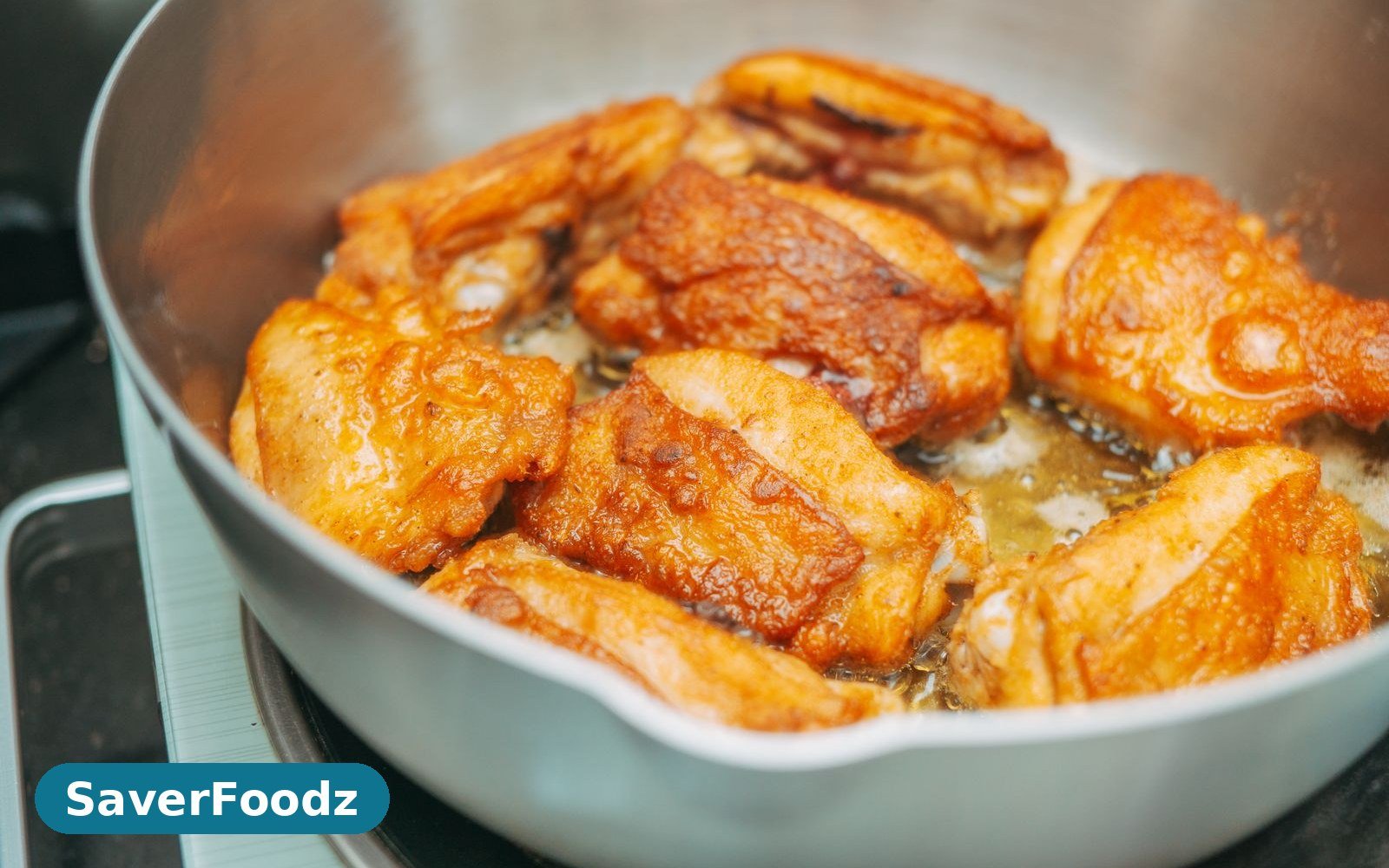
Flip the thighs and cook for another 4 to 5 minutes on the second side, until they are mostly cooked through. They do not need to be fully done at this point, because they will finish cooking in the sauce. Transfer them to a plate and set them aside. There will be fat left in the pan — that is good. Pour off all but about a tablespoon of it, leaving the browned bits stuck to the bottom. Those bits are flavour, and you are about to use them.
Turn the heat down to medium and add the butter to the same pan. Once it melts and starts to foam, add the garlic and cook for about a minute, stirring constantly, until it smells wonderful and turns just barely golden. Watch it closely. Garlic goes from perfect to burnt in seconds, and burnt garlic will make the whole sauce taste bitter. The moment it turns golden, pour in the chicken stock and scrape the bottom of the pan with a wooden spoon to lift up all those browned bits. Let the stock bubble for a minute or two until it reduces slightly.
Pour in the cream, add the Italian seasoning and chilli flakes, and stir everything together. Let the sauce simmer gently for 2 to 3 minutes until it starts to thicken just a little. It should coat the back of a spoon but still be pourable. Sprinkle in the Parmesan a little at a time, stirring until each addition melts before adding more. If you dump it all in at once, it can clump. Once the cheese is in and the sauce looks smooth and glossy, taste it. This is the moment to adjust. A little more salt, a squeeze of lemon, another pinch of chilli flakes — the sauce should taste good on its own, because it is about to become the best part of the plate.
Return the chicken thighs to the pan, skin-side up, nestling them into the sauce. Spoon a little sauce over the top of each thigh, but keep the skin above the surface of the sauce so it stays crisp. Reduce the heat to low, cover the pan loosely, and let everything simmer for 8 to 10 minutes, until the chicken is cooked through and the sauce has thickened to the point where it clings to the chicken. The internal temperature should reach 165 degrees Fahrenheit, but honestly, if the juices run clear and the meat near the bone is no longer pink, you are there. Sprinkle with fresh parsley, take the pan off the heat, and let it rest for 5 minutes before serving. That short rest lets the sauce settle and the flavours come together.
Tips for the Best Chicken Thighs
The single most important tip is about the skin. Dry skin, a hot pan, and patience are the three things that make it crisp. Pat the thighs dry, wait for the oil to shimmer before the chicken goes in, and then do not touch them until the skin has had time to brown properly. If you flip too early, the skin will tear and stick to the pan. If you press the chicken down with a spatula, you will squeeze out moisture and the skin will never crisp properly. Let the heat do the work. A good sear is mostly about leaving things alone.
The second tip is about the sauce. Keep the heat gentle once the cream is in. Cream sauces do not like to be boiled hard. A rolling boil can make the sauce split or turn grainy, especially once the Parmesan goes in. Medium-low heat, a gentle simmer, and a little patience will give you a smooth, glossy sauce every time. If the sauce does get too thick while the chicken finishes cooking, add a splash of chicken stock and stir. If it is too thin, let it simmer uncovered for another minute or two. Sauces are forgiving if you pay attention to them.
The third tip is about seasoning in layers. Season the chicken before it goes in the pan, taste the sauce before the chicken goes back in, and taste it again at the end. Salt added at the beginning builds flavour into the chicken. Salt added to the sauce at the end corrects it. The Parmesan adds saltiness of its own, so go easy on the salt in the sauce until the cheese is in and you can taste the finished result. A squeeze of lemon at the end is not just decoration — the acidity cuts through the richness of the cream and makes the whole dish taste brighter.
Finally, let the dish rest before serving. Five minutes off the heat with the pan covered loosely is enough. The sauce will thicken slightly as it cools, the chicken will relax, and the flavours will settle into each other. Serving it straight off a furious simmer means a thin sauce and chicken that loses its juices the moment you cut into it. Five minutes of patience is the easiest upgrade you can give this dinner.
Variations to Try
Once you have the basic version down, the sauce is a blank canvas. For a mushroom version, add 8 ounces of sliced mushrooms to the pan after removing the chicken, and cook them in the butter until they are golden before adding the garlic. The mushrooms soak up the butter and add an earthy depth that works beautifully with the cream. This is the version I make most often in autumn, when mushrooms are cheap and the evenings start to feel cold.
For a spinach version, stir in two big handfuls of fresh baby spinach right at the end, just before the chicken goes back in. The spinach wilts into the sauce in about a minute and adds colour and a little freshness that balances the richness. A handful of sun-dried tomatoes, chopped, goes well with the spinach and gives the sauce a tangy, savoury edge. Together, they turn the dish into something that looks like it came from a bistro menu.
For a spicier version, increase the chilli flakes to a full teaspoon and add a pinch of smoked paprika to the seasoning on the chicken. The heat builds slowly rather than hitting all at once, and the cream keeps it from becoming overwhelming. This is a good version for anyone who finds the classic a little too gentle. Serve it with rice rather than potatoes, so the sauce has something to soak into.
For a lighter version, use boneless, skinless thighs and replace half the cream with chicken stock, adding an extra tablespoon of Parmesan to keep the sauce flavourful. The sauce will be thinner, but it will still be rich and garlicky, and the dish will feel a little less indulgent. It is a sensible swap for a weeknight when you want the comfort without the full richness, and it still tastes like the same dinner.
What to Serve With It
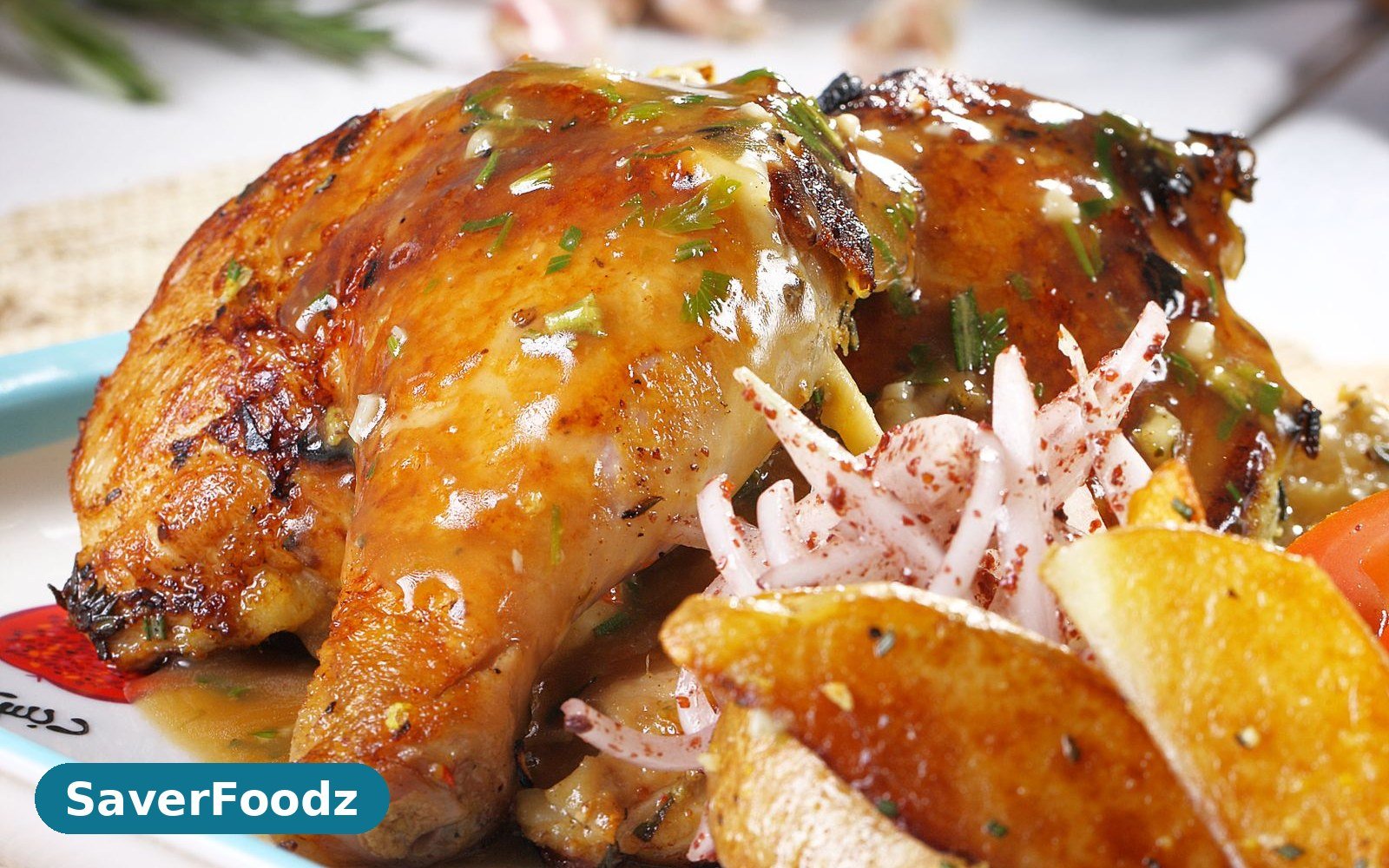
Creamy garlic butter chicken thighs need something on the plate to catch the sauce, because leaving sauce behind in the pan is a small tragedy. Mashed potatoes are the classic choice, and for good reason. A spoonful of creamy potatoes with a ladle of garlic butter sauce over the top is one of the best bites in home cooking.
Rice is the other obvious partner. Plain white rice, buttered and fluffy, soaks up the sauce without competing with it. If you want to keep the whole meal in one pan family, a simple chicken and rice dish on another night uses the same pantry staples — and our easy chicken and rice is a good place to start if you have leftover chicken to use up. Pasta works too, especially short shapes like penne or rigatoni that hold the sauce in their ridges. Toss the cooked pasta straight into the pan at the end and let it pick up the sauce for a minute before serving.
For something green on the side, roasted broccoli or green beans are the easiest choice. They take ten minutes in the oven, they add colour to the plate, and their slight bitterness balances the richness of the cream sauce. A simple green salad with a sharp vinaigrette does the same job if you want something lighter. And if you are feeding people who like bread, put a loaf of crusty bread on the table. Someone will use it to mop the pan, and that person will be right. For more chicken inspiration, browse our chicken recipes or try these easy chicken quesadillas for a quicker weeknight option.
Storage and Make-Ahead
Leftover chicken thighs keep well in the fridge for up to 3 days, stored in an airtight container with the sauce spooned over the top. The sauce will thicken as it cools and turn almost solid in the fridge, which looks alarming but is completely normal. Reheat gently in a skillet over low heat with a splash of chicken stock or cream, stirring until the sauce loosens up again. Do not microwave it on high, or the sauce can split and the chicken can dry out. Low and slow is the rule for reheating cream sauces.
You can also make the dish a few hours ahead and reheat it before serving. Cook it fully, let it cool, and store it in the pan, covered, in the fridge. When dinner time comes, warm it over low heat for about 10 minutes, adding a splash of stock if the sauce has thickened too much. The flavours actually improve a little with a few hours of rest, as the garlic mellows into the sauce and the chicken absorbs more of it. This makes it a good option for entertaining, since the main course is done before your guests arrive.
Freezing is possible but not ideal. The sauce can separate when it thaws, and the skin will lose its crispness entirely. If you do freeze it, store the chicken and sauce together in a freezer-safe container for up to 2 months, thaw overnight in the fridge, and reheat gently with a splash of cream, whisking the sauce as it warms to bring it back together. It will taste fine, but the texture will not be quite as silky as the fresh version. For best results, make it fresh and enjoy the leftovers within a few days. If you are new to skillet chicken, our easy skillet chicken recipes for beginners walk through the basics step by step.
Frequently Asked Questions
Can I use boneless, skinless chicken thighs?
Yes, and they work very well. Boneless thighs cook faster, so reduce the searing time to about 4 minutes per side and the simmering time to 6 to 8 minutes. You will lose the crispy skin, which is part of the charm of the original, but the meat will be just as juicy and the sauce will be exactly the same. Boneless thighs are also easier to serve to children, since there is no bone to work around. If you use chicken breast instead, cut the pieces evenly, sear them for 4 minutes per side, and be careful not to overcook them, because breast meat dries out much faster than thighs.
Can I use chicken breast instead of thighs?
You can, but thighs are the better choice for this recipe. Chicken breast has very little fat, so it dries out quickly in a cream sauce that needs time to thicken. If you do use breast, choose thick pieces, pound them to an even thickness, and take them out of the sauce as soon as they reach 165 degrees Fahrenheit. Do not let them simmer in the sauce for the full 10 minutes or they will turn chalky. Thighs are forgiving in a way breast meat simply is not, and that forgiveness is what makes this a relaxing weeknight dinner rather than a stressful one.
Why did my sauce split or turn grainy?
A cream sauce usually splits for one of two reasons: the heat was too high, or the cheese was added too quickly. Keep the sauce at a gentle simmer, never a rolling boil, once the cream is in. Add the Parmesan a little at a time, stirring until each handful melts before adding the next. If the sauce does split, take the pan off the heat, add a splash of cold cream, and whisk firmly. It will often come back together. Using freshly grated Parmesan also helps, because the pre-grated kind contains anti-caking agents that can make a sauce grainy.
Can I make this dairy-free?
You can get close, but the sauce will not be quite the same. Use olive oil instead of butter, full-fat coconut milk instead of cream, and nutritional yeast instead of Parmesan. The coconut milk gives a rich, silky sauce, though it adds a faint sweetness that changes the flavour a little. A squeeze of lemon at the end helps balance that. The chicken itself needs no changes. It will not taste exactly like the original, but it will still be a very good dinner, and for someone who cannot eat dairy, that matters more than perfection.
How do I know when the chicken thighs are done?
The most reliable way is a meat thermometer. Chicken thighs are done at 165 degrees Fahrenheit, measured at the thickest part near the bone. If you do not have a thermometer, cut into the thickest thigh near the bone and check that the meat is no longer pink and the juices run clear. Thighs are forgiving, so a couple of degrees over will not ruin them the way it would ruin a chicken breast. If you are unsure, give them another two minutes in the sauce. The sauce will only get better, and the chicken will stay juicy. For more on chicken as an ingredient, see Chicken as food, and for more thigh recipes, browse this chicken thigh recipes collection.
What is the best pan to use for this recipe?
A large stainless steel or cast iron skillet is ideal, because both hold heat well and build up the browned bits that make the sauce taste so good. A non-stick pan will work, but it will not develop the same fond on the bottom, so the sauce will be a little less flavourful. Whatever pan you use, make sure it is large enough to fit all six thighs without crowding them, and that it has a lid or a loose cover for the simmering stage. A 12-inch skillet is the right size for this recipe.
2 Comments