
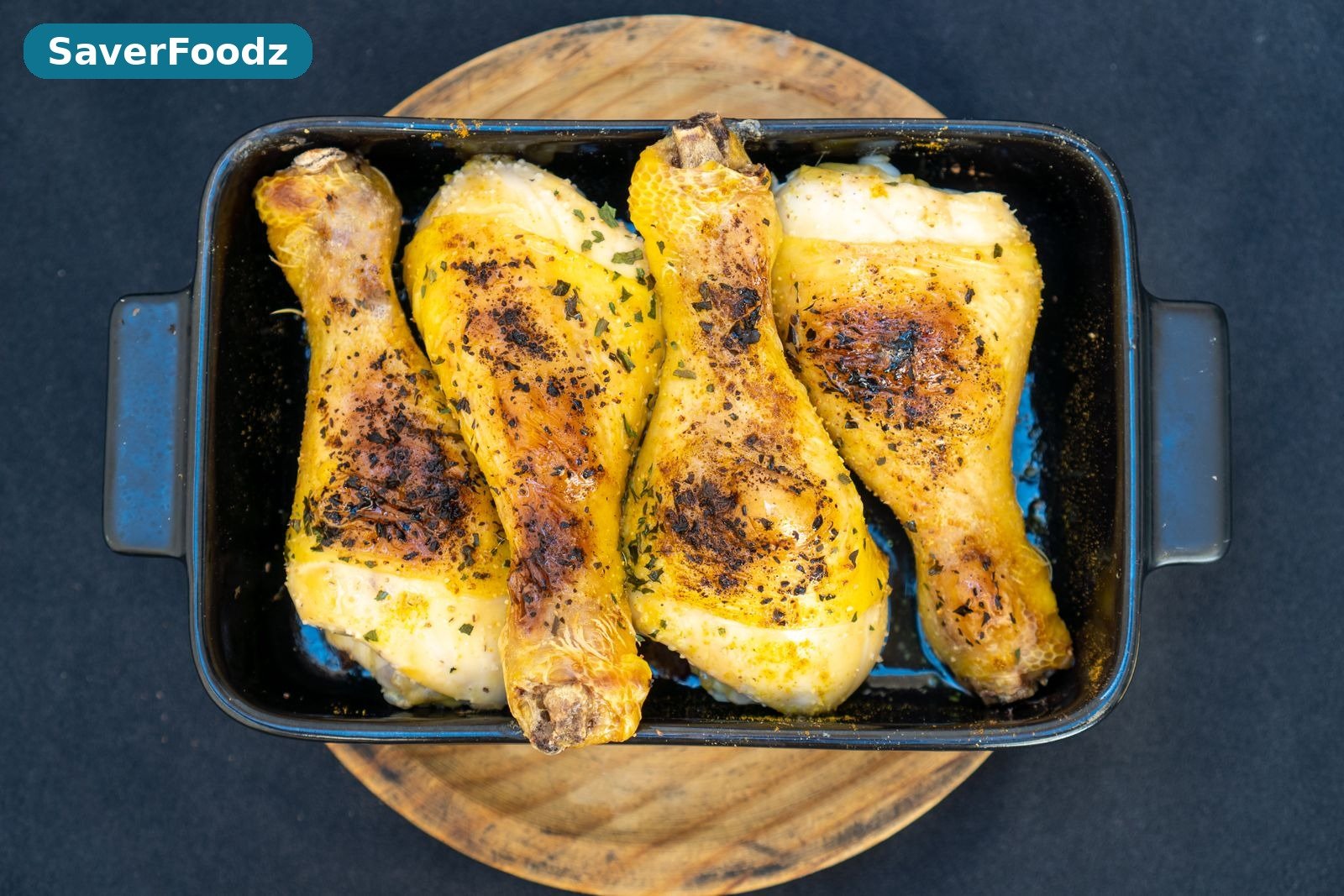
Honey Mustard Baked Chicken Drumsticks
Some dinners earn their place in the regular rotation without any fuss, and these honey mustard baked chicken drumsticks are one of them. I first made them on a Tuesday evening when the fridge was looking thin, the kids were hungry, and I had about ten minutes of patience left in me. Drumsticks, a jar of honey that was nearly finished, half a bottle of Dijon, and a bit of garlic. That was it. Forty-five minutes later, the whole house smelled like something far fancier than the effort involved, and everyone at the table was picking up drumsticks with their hands and licking sauce off their fingers.
There is something deeply satisfying about a recipe that asks so little and gives back so much. No marinating overnight. No special equipment. No sauce that needs babysitting on the stove. You whisk a few things together in a bowl, pour it over the chicken, and let the oven do the heavy lifting. The honey caramelises at the edges, the mustard keeps everything from tasting too sweet, and the skin turns golden and just a little sticky. Drumsticks are forgiving too — cheap, juicy, and made for eating with your hands.
Why This Recipe Works
The magic here is balance. Honey on its own would make the chicken too sweet and a little one-note. Mustard on its own would be sharp and thin. Together, they keep each other in check. The honey brings the sticky glaze and those lovely browned edges, while the mustard adds tang and a gentle warmth that makes you want another bite. A splash of soy sauce deepens everything and helps the glaze cling, and garlic and smoked paprika keep it savoury.
Mustard has been used as a condiment for centuries, and the sharp, warm character we love in Dijon comes from mustard seeds ground with wine or vinegar, as described in Britannica’s overview of the mustard plant. That sharpness is exactly what cuts through the richness of the honey. If you have only ever used yellow mustard on hot dogs, Dijon will be a pleasant surprise.
The method matters just as much as the sauce. Instead of drowning the drumsticks in sauce from the start, we coat them lightly, roast them at a good high heat so the skin has a chance to crisp, and then brush on more sauce near the end. That two-step approach is the trick. Sauce added too early slides off and burns on the pan before the chicken is cooked through. Sauce added at the end stays glossy, sticky, and right where you want it. I learned that the hard way — my first honey glaze went on too early and set off the smoke alarm.
Ingredients
This recipe serves four people, with two drumsticks each. It doubles easily for a crowd — just use two baking sheets so the chicken has room to breathe. Here is what you will need:
- 8 chicken drumsticks (about 900 g / 2 lb), skin on
- 1 tablespoon olive oil
- 1 teaspoon fine sea salt
- 1/2 teaspoon black pepper, freshly ground
- 1 teaspoon smoked paprika
- 1/2 teaspoon garlic powder
- 1/4 cup (80 g) honey
- 1/4 cup (60 g) Dijon mustard
- 1 tablespoon wholegrain mustard
- 1 tablespoon soy sauce
- 2 cloves garlic, finely minced
- 1 tablespoon apple cider vinegar
- 1 teaspoon lemon zest, finely grated (optional but lovely)
- Fresh parsley, chopped, to serve
- Lemon wedges, to serve
A quick word on the honey and mustard. Any runny honey works here — a mild, floral honey lets the mustard shine, while a darker honey gives a deeper, almost toffee-like note. The wholegrain mustard is optional, but those little seeds give the sauce a lovely rustic texture and tiny speckles that make the finished drumsticks look like they came from a much fancier kitchen than yours.
How to Make Honey Mustard Baked Chicken Drumsticks
Heat your oven to 200°C (400°F). Line a large rimmed baking sheet with foil or baking paper for easy cleaning — honey glaze and bare metal are not friends, and you will thank yourself later. If you have a wire rack that fits inside the sheet, use it. The rack lifts the drumsticks out of their own juices, lets hot air circulate underneath, and gives you crispier skin all the way around.
Take the drumsticks out of the fridge about fifteen minutes before cooking so they lose their chill, and pat them dry with paper towels. This step takes thirty seconds and it is worth every one of them. Dry skin browns and crisps; wet skin steams.
Now make the sauce. In a small bowl, whisk together the honey, Dijon mustard, wholegrain mustard, soy sauce, minced garlic, apple cider vinegar, and lemon zest if you are using it, until it looks smooth and glossy. Set aside about a third of the sauce in a separate small bowl — this is your basting sauce for later, kept clean and untouched by raw chicken.
Put the drumsticks in a large bowl or directly on the prepared tray. Drizzle over the olive oil, then sprinkle with the salt, pepper, smoked paprika, and garlic powder. Toss everything together with your hands until each drumstick is evenly coated. Then spoon over about half of the remaining sauce and turn the pieces until they are lightly coated. You do not need to drown them. A thin, even layer is exactly right at this stage.
Arrange the drumsticks on the tray skin-side up, leaving a little space between each one. Crowding is the enemy of crisp skin, because the pieces steam each other instead of roasting. If they are touching, grab the second tray. It is better to wash one extra tray than to eat soggy chicken.
Slide the tray into the oven and roast for 25 minutes. Then take it out, brush the drumsticks generously with the clean basting sauce, and turn each piece over. Return the tray to the oven for another 10 minutes. Take it out once more, turn them skin-side up, brush with the last of the sauce, and roast for a final 10 to 15 minutes, until the skin is deeply golden, the glaze is bubbling at the edges, and the juices run clear.
The most reliable way to know the chicken is done is with a thermometer. Chicken is safe to eat when the thickest part reaches 74°C (165°F), and drumsticks are at their best between 74°C and 85°C, when the meat is fully tender and pulls easily from the bone. The safe minimum internal temperatures chart from foodsafety.gov is a handy reference to keep bookmarked for all kinds of meat, not just chicken.
Let the drumsticks rest for five minutes before serving. I know, five minutes feels like a long time when dinner smells this good and everyone is hovering. But resting lets the juices settle back into the meat instead of running out onto the plate the moment someone cuts in.
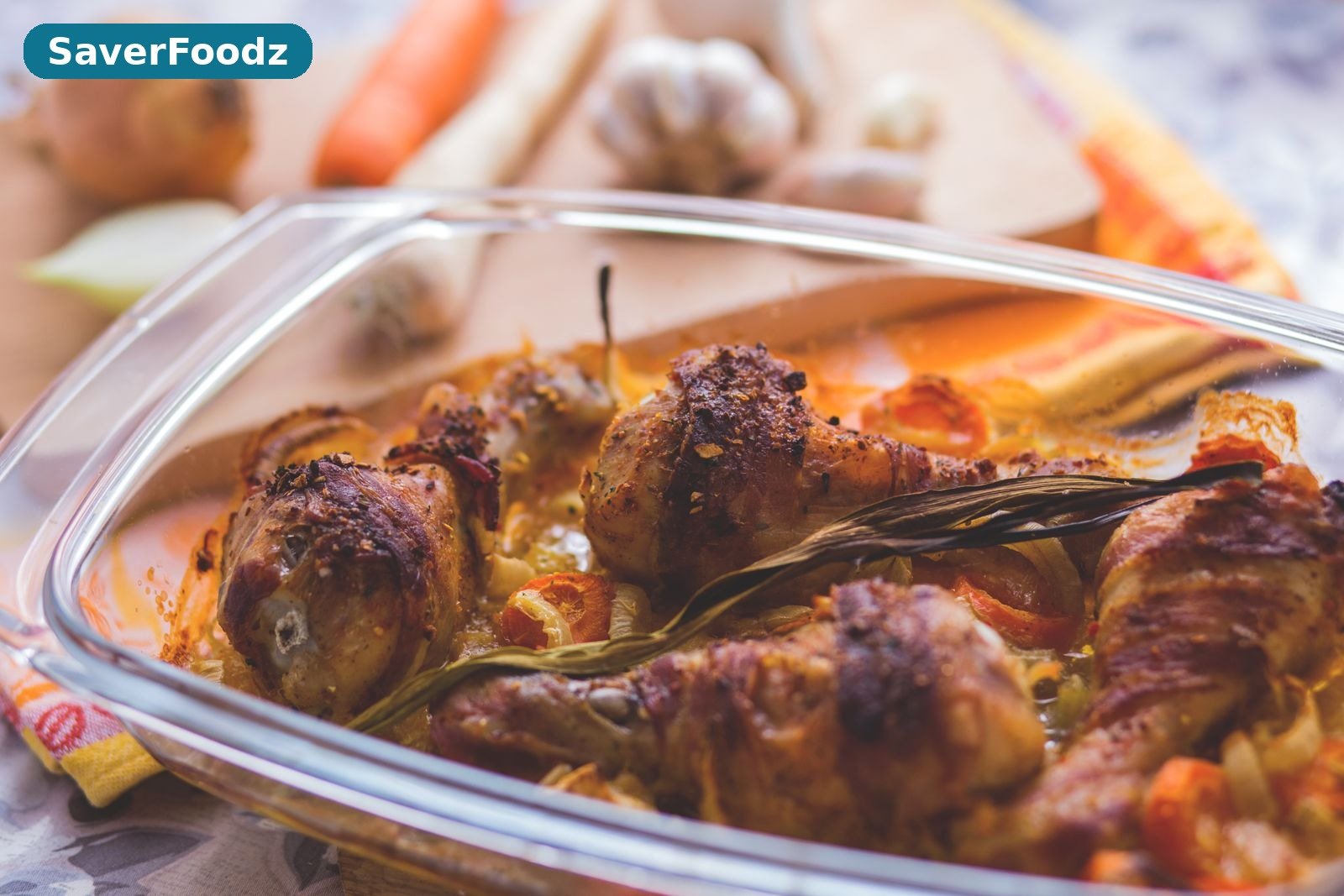
Tips for Juicy Drumsticks Every Time
Pat the skin dry, season generously, and give the pieces space on the tray. Those three habits do more for this recipe than any fancy technique. Salt does not just add flavour — it helps draw a little moisture from the surface of the skin, which is exactly what you want for browning. Season before the sauce goes on, so the seasoning sits right against the skin.
Save most of the sauce for the end. Honey burns at high heat — sugar caramelises, then it burns, and the line between the two is thinner than we would like. By adding most of the glaze in the last fifteen minutes, you get the caramelised edges and the sticky shine without the bitter, blackened patches.
Let the oven stay hot. It can be tempting to lower the temperature because you are worried about burning the glaze, but drumsticks want that high heat. A 200°C oven gives you crisp skin and juicy meat in about 45 minutes. A cooler oven takes longer, and the skin never quite gets there. Trust the temperature, trust the timing, and trust your thermometer.
Serving Ideas
These drumsticks are wonderfully flexible. On busy nights, I serve them with mashed potatoes and something green. The potatoes soak up any extra sauce beautifully, and the whole plate feels like comfort food without any extra work.
If you want a lighter plate, pair them with a crisp salad and some crusty bread, or go for roasted broccoli with parmesan and lemon, one of my favourite sides for anything sticky and rich. The bright lemon and salty parmesan cut through the sweetness of the glaze in exactly the right way, and it roasts at a similar temperature, so you can cook both at once.
For a fuller family dinner, these drumsticks sit happily next to one-pan lemon herb chicken orzo on a table full of sharing dishes. And if you are cooking for people who love dark meat as much as I do, creamy garlic butter chicken thighs make a wonderful companion dish for a bigger gathering, giving everyone a choice of two saucy, crowd-pleasing chicken dishes.
And do not forget dessert. After a rich, savoury main, something sweet and familiar is the perfect finish. A batch of classic chocolate chip cookies still warm from the oven turns an ordinary Tuesday dinner into the kind of evening everyone remembers.
Storage and Reheating
Leftover drumsticks keep well in the fridge for three to four days in an airtight container. Let them cool completely before you pack them away, and keep any leftover sauce in a separate small container so the skin does not go soggy overnight. They are actually lovely cold the next day, picked straight from the fridge for lunch.
To reheat, warm them in the oven at 190°C (375°F) for about 10 to 12 minutes, until heated through and the glaze is bubbling again. The microwave will get them hot, but the skin will go soft, so save it for days when you truly have no time. A quick blast in the air fryer also works beautifully — five minutes at 190°C brings the skin right back to life. They also freeze well for up to three months; thaw overnight in the fridge and reheat in the oven.
Variations to Try
Once you have made the basic recipe, it is easy to make it your own. A pinch of chilli flakes or a spoonful of sriracha stirred into the sauce gives it a gentle heat that plays beautifully against the honey. A teaspoon of curry powder turns it into something warmer and more aromatic, perfect with rice and a simple salad. If you like a smokier flavour, add an extra half teaspoon of smoked paprika. If you prefer things brighter, add more lemon zest and a squeeze of lemon juice right before serving.
You can also use this same sauce on chicken thighs, wings, or bone-in chicken breasts, though the cooking time will change. Thighs take about the same time as drumsticks. Wings cook a little faster, so start checking them after 30 minutes. Breasts need a little more care, since they dry out more easily — use a thermometer and pull them as soon as they reach temperature.
Frequently Asked Questions
Can I use boneless chicken for this recipe?
You can, but the cooking time will be shorter. Boneless thighs work best — they stay juicy and take about 25 to 30 minutes at the same temperature. Boneless breasts will cook in about 20 to 25 minutes, but watch them closely, because they dry out fast.
Can I make the sauce ahead of time?
Yes, and I often do. The sauce keeps in a sealed jar in the fridge for up to a week. Give it a good stir before using it, since the honey and mustard can separate a little as they sit. If the honey has thickened in the cold, let the jar sit on the counter for ten minutes or warm it briefly in a bowl of hot water.
Can I marinate the drumsticks overnight?
You can marinate them in half the sauce overnight, but keep the rest aside for basting. An overnight marinade gives the flavour a little more time to work its way in. The trade-off is that the sauce on the surface can darken faster in the oven, so keep an eye on the drumsticks in the last ten minutes and tent the tray loosely with foil if the glaze starts to go too dark.
How do I stop the honey glaze from burning?
The trick is timing. Do not coat the chicken heavily in sauce at the start — use just a thin layer, and save the generous brushing for the last ten to fifteen minutes of cooking. If your oven runs hot, move the tray to a lower rack so the tops of the drumsticks are further from the heat.
What should I serve with honey mustard chicken drumsticks?
Almost anything goes. Mashed potatoes, roasted vegetables, rice, or a simple green salad all work well. I like something fresh and bright to balance the sticky sweetness — a crunchy slaw, a lemony salad, or roasted broccoli. Crusty bread is always welcome for mopping up the sauce.
That is really the whole story of this recipe. A handful of pantry ingredients, one tray, and a little patience while the oven works. The next time you are standing in the kitchen wondering what to make for dinner, remember these drumsticks.
One Comment