
Air Fryer Honey Glazed Salmon
There are some dinners that feel like a small win before you even sit down to eat them, and this one is at the top of my list. Air fryer honey glazed salmon looks like something you’d order at a restaurant — glossy, golden, a little sticky around the edges — but it comes together in about twenty minutes with ingredients you probably already have. No marinating for hours, no pan full of oil to clean up, no standing over the stove wondering if the fish is done yet.
I started making salmon in the air fryer because, honestly, I was tired of the smell lingering in the kitchen after pan-frying fish. The air fryer keeps most of that contained, and the hot circulating air does something lovely to a honey glaze: it caramelizes the top of the fillet while the inside stays soft and flaky. The first time I tried it, I stood there watching through the little window like it was going to do something wrong. It didn’t. It came out better than the pan version I’d been making for years.
This recipe is for those evenings when you want a proper dinner but you don’t want a project. Four salmon fillets, a quick glaze you whisk together in a bowl, and the air fryer does the rest. If you’ve only ever cooked chicken in your air fryer, this is a good place to branch out — salmon is actually more forgiving than most people think, as long as you don’t overcook it.
Why This Recipe Works So Well
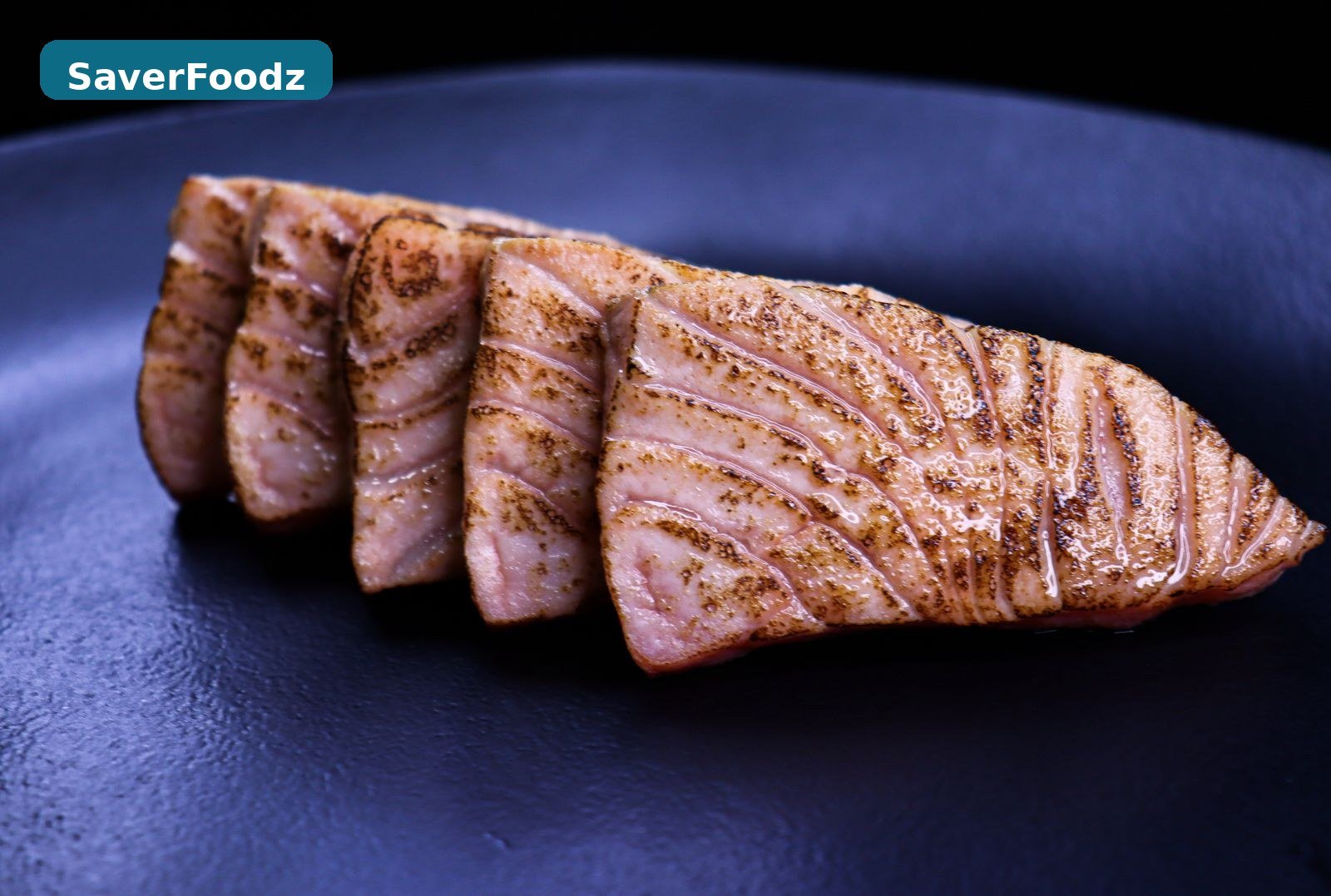
The air fryer is almost unfairly good for salmon. The fillets are thin enough that they cook through in minutes, and the strong, dry heat gives you that slightly crisp, lacquered surface that a honey glaze needs. In the oven, the glaze sometimes slides off before it sets. In a pan, the honey can burn before the fish is cooked through. In the air fryer, everything happens at the same speed, which is exactly what you want.
There’s another reason I keep coming back to this one: the cleanup. A sheet of parchment or a light spray of oil in the basket, and you’re done. The glaze stays on the fish instead of welding itself to a pan. On a weeknight, that matters more than it probably should.
And then there’s the taste. Honey, soy sauce, garlic, and a squeeze of lemon — that’s the whole flavor story, and it works because each ingredient has a job. The honey brings the sweetness and the shine. The soy sauce keeps it from being one-note sweet and adds salt and depth. The garlic gives it a warm, savory backbone. The lemon, added at the end, wakes everything up. Nothing fancy, nothing you need to go to a specialty store for.
Ingredients You’ll Need
For four servings, here’s what to gather:
- 4 salmon fillets, about 6 ounces each, skin on or off — your call
- 3 tablespoons honey
- 2 tablespoons soy sauce (low sodium works fine)
- 2 cloves garlic, finely minced — or a heaped teaspoon of the jarred kind, no judgment
- 1 tablespoon lemon juice, freshly squeezed if you can
- 1 teaspoon Dijon mustard
- 1/2 teaspoon smoked paprika
- 1/4 teaspoon black pepper
- A pinch of salt — go easy, the soy sauce already brings plenty
- 1 tablespoon olive oil
- Optional: sesame seeds and sliced green onions, for serving
- Lemon wedges, for the table
A quick word on the salmon itself. If you can, pick fillets that are roughly the same thickness — center-cut pieces are ideal because they cook evenly from edge to edge. Tail pieces are thinner and tend to dry out faster, so if that’s what you have, just check them a minute or two earlier. Fresh or thawed frozen salmon both work here. If you’re using frozen, let it thaw completely in the fridge overnight and pat it very dry before you start. Wet fish and honey glaze don’t get along; the glaze slides right off.
About the honey: any regular honey works. The darker, stronger-flavored kinds can overpower the fish a little, so a mild, runny honey is the safest bet. And if you only have the thick, crystallized jar from the back of the cupboard, warm it for ten seconds in the microwave and it’ll pour just fine.
Making the Honey Glaze
The glaze is three minutes of work. Put the honey, soy sauce, minced garlic, lemon juice, Dijon, smoked paprika, and black pepper in a small bowl and whisk until it looks smooth and a little glossy. That’s it. Taste it — it should be sweet first, then salty, with a little warmth from the garlic and paprika. If it’s too sweet for your liking, add another squeeze of lemon. If it tastes flat, a tiny bit more soy sauce usually fixes it.
Here’s the part people get wrong: don’t pour all of the glaze over the raw fish and hope for the best. Honey burns. If it goes into the air fryer at the very start, it can turn bitter and dark before the salmon is cooked. The trick is to brush on about half the glaze before cooking, and save the rest for the last few minutes. That way you get the flavor soaked in from the start and a fresh, shiny coat at the end that actually looks like the photos.
If you want a thicker glaze — the kind that really clings — you can simmer the reserved half in a small saucepan for a minute or two until it bubbles and reduces slightly. It isn’t required, and on a busy night I usually skip it, but it does give you that lacquered restaurant finish. Just watch it closely; honey goes from perfect to burnt in about thirty seconds.
Step-by-Step: Air Fryer Honey Glazed Salmon
1. Pat the salmon dry. Use paper towels and press gently on both sides. This is the single most boring step and also the one that makes the biggest difference. Dry fish browns and glazes; wet fish steams.
2. Season lightly. Rub each fillet with a little olive oil, then sprinkle with salt and pepper. Remember the soy sauce is salty, so keep the salt light.
3. Brush on the first coat of glaze. Use about half of your glaze mixture and brush it over the top and sides of each fillet. Don’t worry about the underside.
4. Preheat the air fryer. Set it to 400°F (200°C) and let it run for about 3 minutes. Starting with a hot basket helps the glaze set quickly instead of dripping off.
5. Arrange the fillets in a single layer. Skin side down if your fillets have skin. Leave a little space between them so the hot air can move around — crowding is the fastest way to get pale, steamed fish instead of golden, glazed fish. If your basket is small, cook in two batches. It’s worth the extra few minutes.
6. Cook for 7 to 9 minutes. At the halfway point, open the basket and brush on the remaining glaze. This second coat is what gives you the shine. The salmon is done when it flakes easily with a fork and the thickest part looks opaque with just a hint of translucency in the very center.
7. Rest for two minutes. I know, it’s hard to wait when it smells this good. But those two minutes let the glaze settle and the fish finish cooking gently off the heat. The fillet will be noticeably juicier for it.
8. Serve. Sprinkle with sesame seeds and sliced green onions if you have them, and put lemon wedges on the table. A little extra lemon squeezed over the top right before eating makes a real difference.
How to Tell When Salmon Is Done
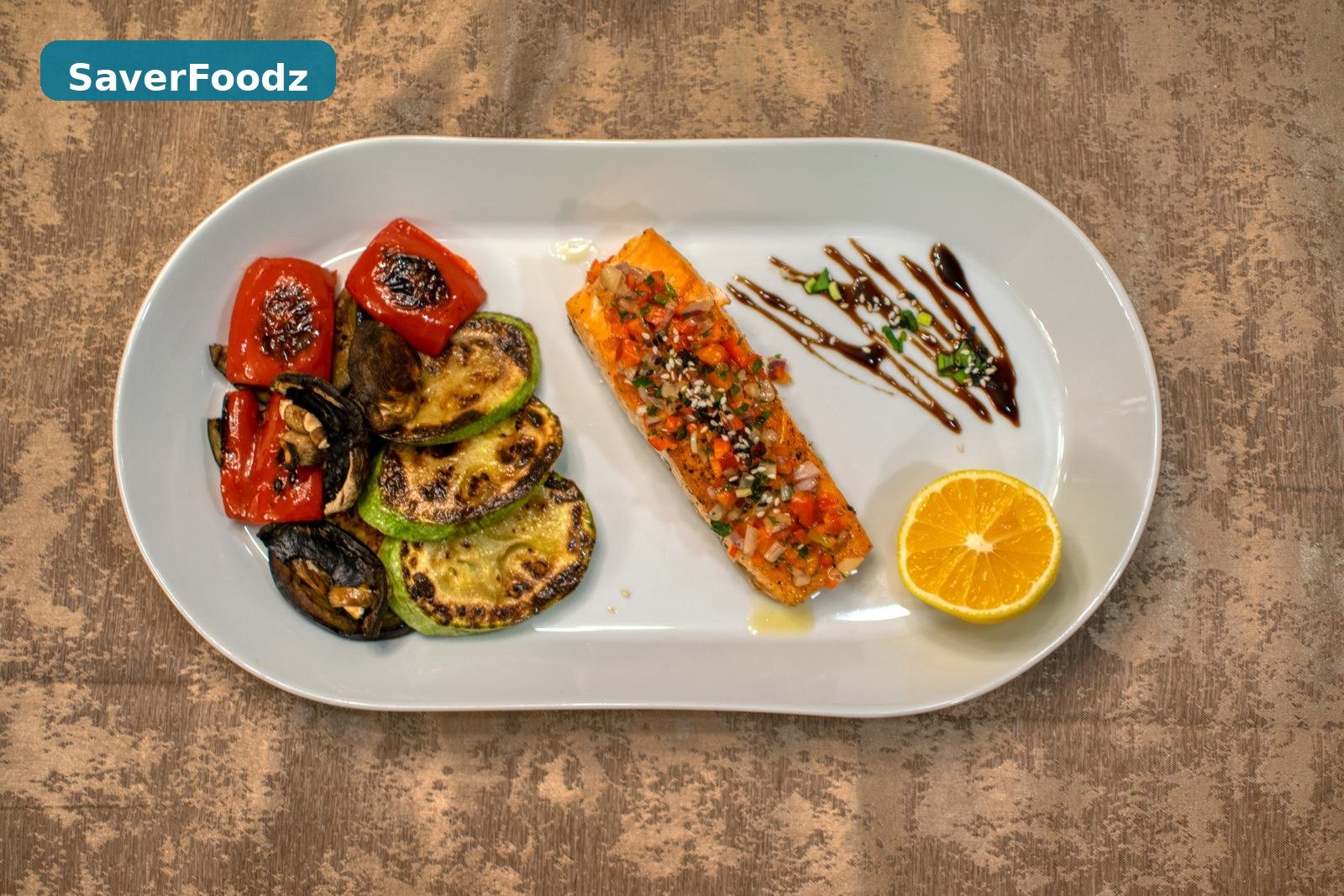
This is where most people go wrong, and I say that from experience — I’ve overcooked more salmon than I care to admit. The old rule about cooking fish until it’s completely opaque all the way through gives you dry salmon every time. Fish keeps cooking after you take it out of the heat, so you want to pull it just before it looks fully done.
The most reliable way is a thermometer. FoodSafety.gov lists 145°F (63°C) as the safe minimum internal temperature for fish like salmon, or you can cook it until the flesh is no longer translucent and separates easily with a fork. In practice, most people who love salmon aim for around 125–130°F in the thickest part and let the rest time carry it the rest of the way — juicy, never dry.
If you don’t have a thermometer, the fork test works fine. Press a fork gently into the thickest part and twist slightly. If the fish flakes into neat layers, it’s done. If it resists and looks shiny and raw inside, give it another minute or two. And if you see white stuff oozing out of the fillet — that’s albumin, a harmless protein. It shows up more when salmon is overcooked, which is another reason to pull the fish on time rather than late.
Salmon is also one of the most nutritious things you can put on a weeknight table. Salmon is rich in omega-3 fatty acids, high-quality protein, and B vitamins, which is a nice bonus when the dinner also happens to taste like this.
Air Fryer Tips That Actually Matter
Don’t skip the preheat. A cold basket means the glaze drips off before it has a chance to set. Three minutes of preheating is enough.
Use parchment made for the air fryer, or a light oil spray. The honey in the glaze can stick, and a little parchment with holes in it (or a light spray) makes cleanup painless. Avoid regular foil — it blocks the airflow that makes the air fryer work.
Keep the fillets in one layer. I mentioned this already, but it’s worth repeating because it’s the most common mistake. Stacked fillets steam; spaced fillets roast. If you have to cook in two batches, keep the first batch warm under a loose tent of foil.
Size matters for timing. A 6-ounce fillet at 400°F usually takes 7 to 9 minutes. A thinner fillet might be done at 6 or 7. A thick, 8-ounce piece could need 10 or 11. Start checking early — you can always add a minute, but you can’t uncook fish.
Let the basket cool before you wash it. The glaze residue comes off much more easily after a few minutes of soaking in warm, soapy water. Scrubbing a hot basket with caramelized honey stuck to it is a miserable job.
What to Serve With Honey Glazed Salmon
This salmon plays well with almost anything, but a few pairings work especially well on a busy night. My favorite is a simple starch and a green vegetable — it keeps the plate balanced without turning dinner into a second project.
If you already have the air fryer out, these easy air fryer potatoes without flour are a natural match. They cook at a similar temperature, they soak up a little of the extra glaze, and the whole meal stays in one appliance. Start the potatoes first, since they take longer, and slide the salmon in once the potatoes are nearly done.
For something lighter, easy garlic noodles with vegetables make a great base. The garlicky noodles pick up the sweet-savory glaze in a way that plain rice just doesn’t, and the whole plate comes together in about the same time as the salmon itself.
And if the house is more of a chicken crowd most nights, that’s fine — this salmon slots into the same kind of weeknight rotation as our creamy garlic butter chicken thighs, rich and comforting, just with a lighter, brighter flavor. Having both in your back pocket means you can switch between them depending on what’s on sale or what the family feels like.
Other easy sides that work: steamed rice with a squeeze of lemon, roasted broccoli with a little parmesan, a simple cucumber salad, or even just good bread to mop up the glaze. Honestly, once the salmon is on the plate, the sides are the supporting cast — keep them simple and let the fish do the talking.
Easy Variations to Try
Once you’ve made this a few times, it’s a fun recipe to play with. A few variations that work well:
- A little heat: Add half a teaspoon of sriracha or a pinch of red pepper flakes to the glaze. The sweetness handles the spice nicely, and it turns the dish into something a bit more grown-up.
- Ginger and sesame: A teaspoon of grated fresh ginger and a drizzle of sesame oil in the glaze gives it a more Asian-inspired feel. Toasted sesame seeds on top finish it off.
- Maple instead of honey: It works, and the flavor is a little deeper and less floral. Use the same amount and keep an eye on it, since maple can darken faster.
- Orange instead of lemon: Swap the lemon juice for orange juice and add a little orange zest to the glaze. It makes the whole dish taste slightly fancier without any extra effort.
- For meal prep: Cook an extra fillet or two and flake the leftovers cold over salads or into wraps the next day. The glaze keeps it from tasting like sad leftover fish.
And if you’re looking for another fast, one-pan dinner for a different night, this quick chicken dinner with frozen vegetables uses the same idea — simple ingredients, short cooking time, real food on the table without a lot of fuss.
Storing and Reheating Leftovers
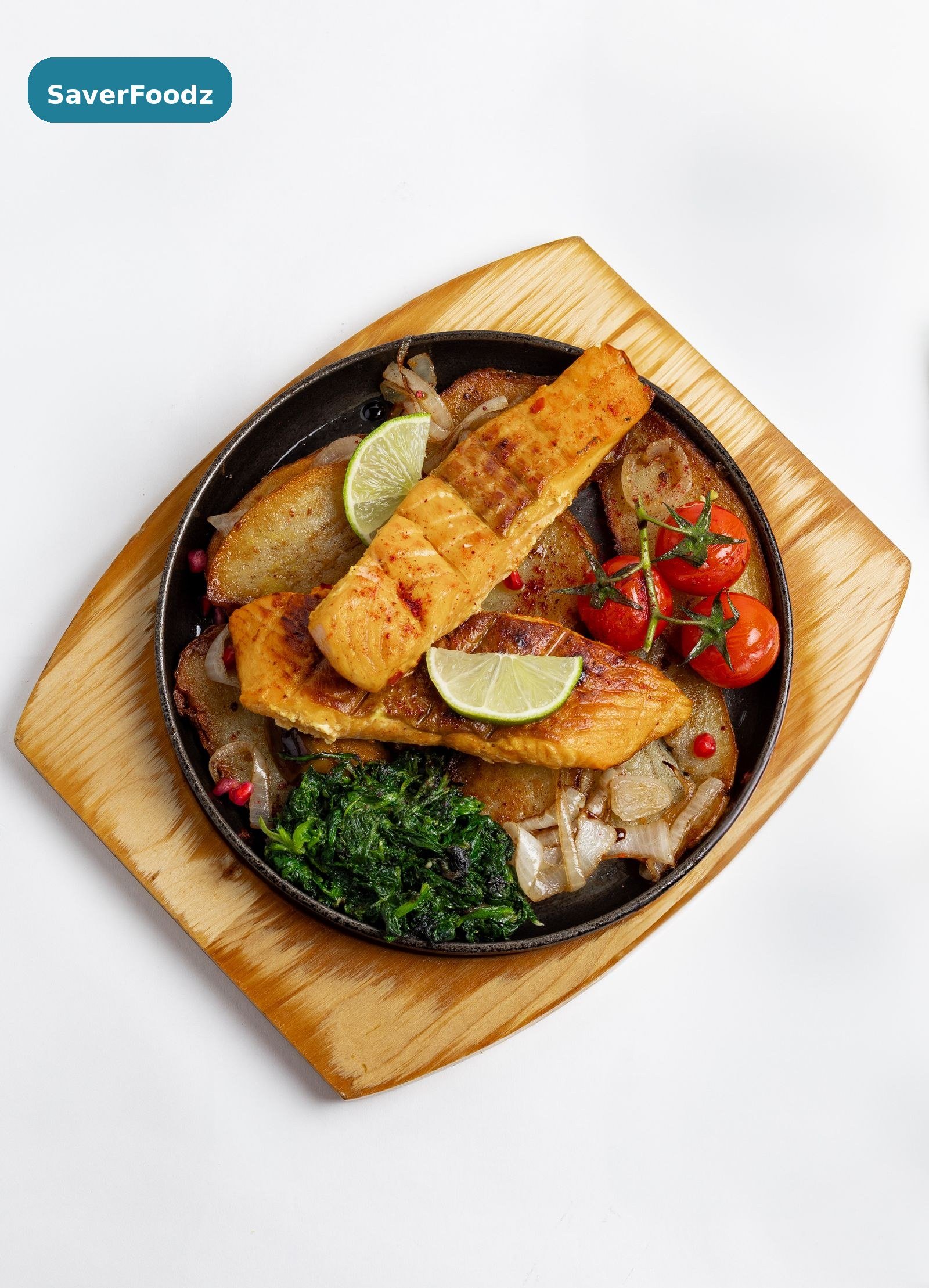
Salmon is at its best the day you cook it, but leftovers are absolutely worth keeping. Store them in an airtight container in the fridge and they’ll be good for up to two days. The glaze actually helps here — it keeps the fish a little more moist than plain cooked salmon would be.
For reheating, skip the microwave if you can. It heats unevenly and can turn salmon rubbery in seconds. The air fryer is your friend again: 2 to 3 minutes at 350°F brings the fillet back to life and even crisps the glaze a little. If you only have a microwave, use half power in short 30-second bursts, and stop the moment it’s warm through.
Cold leftover salmon is also genuinely good. Flaked over a salad, tucked into a sandwich with a little mayonnaise and lettuce, or stirred through warm noodles — all of them work better than you’d expect. I almost always cook an extra fillet on purpose now, because lunch the next day is sorted.
Common Mistakes to Avoid
Most honey glazed salmon problems come down to one of these:
- Putting all the glaze on at the start. It burns, it turns bitter, and the fish ends up dark on the outside and pale inside. Half now, half later.
- Overcrowding the basket. The fish steams instead of roasting, and the glaze never gets that caramelized edge.
- Cooking it until it looks completely done. By then it’s overdone. Pull it when it still has a touch of translucency in the center and let the rest time finish the job.
- Skipping the pat-dry step. Wet fish means the glaze slides off and the surface never gets that lovely golden color.
- Using skin-on fillets and then trying to peel the skin off mid-cook. Leave the skin on while it cooks — it protects the fish and crisps up nicely. It’ll lift off easily on the plate if you don’t want it.
None of these are hard to fix, and even a slightly imperfect batch of this salmon still tastes good. That’s part of why it’s such a forgiving weeknight recipe — the flavor is strong enough to cover small mistakes.
Frequently Asked Questions
Can I use frozen salmon fillets in the air fryer?
Yes, but thaw them first. A completely frozen fillet cooks unevenly — the outside dries out while the center is still cold. Thaw overnight in the fridge, or if you’re in a rush, seal the fillets in a bag and run cold water over them for about 20 minutes. Pat them very dry before glazing.
Do I need to remove the skin before cooking?
No, and you probably shouldn’t. The skin protects the flesh from drying out and gets pleasantly crisp in the air fryer. If you don’t like eating skin, it peels off easily once the salmon is cooked. Skinless fillets work too, just watch the timing a little more closely.
Why did my honey glaze burn?
Almost always because all the glaze went on at the start, or the temperature was too high. Honey has a lot of sugar, and sugar burns quickly. Keep the temperature at 400°F, add the glaze in two coats, and add the second coat only in the last few minutes. If your air fryer runs hot, try 380°F instead.
Can I make the glaze ahead of time?
Absolutely. Whisk it together and keep it in a small jar in the fridge for up to a week. Let it come back to room temperature before you use it, since cold honey is thick and hard to brush. Give it a quick stir — the garlic can settle to the bottom.
What if I don’t have an air fryer?
You can make this in the oven on a lined baking sheet at 425°F for about 12 to 15 minutes, brushing the second coat of glaze on halfway through. You won’t get quite the same caramelized edge, but the flavor will still be there. A broiler finish for the last minute helps.
How long does leftover salmon last?
Two days in the fridge in an airtight container. After that, the texture goes downhill fast. I wouldn’t freeze cooked salmon — it turns watery when thawed. If you want to freeze fish, freeze it raw before cooking.
Can I use a different fish for this recipe?
Yes. This glaze is lovely on cod, halibut, or even shrimp. Just adjust the cooking time — cod and halibut need a similar time to salmon, while shrimp only need 5 to 6 minutes. The two-coat glaze trick works the same way for all of them.
The Short Version
Whisk honey, soy sauce, garlic, lemon, Dijon, and paprika into a glaze. Brush half of it on dry salmon fillets. Air fry at 400°F for 7 to 9 minutes, adding the rest of the glaze halfway through. Rest for two minutes, serve with lemon wedges, and enjoy a dinner that looks like it took far more effort than it did.
If you try this one, I hope it earns a regular spot in your weeknight rotation. It’s quick, it’s forgiving, and it turns a simple piece of fish into something the whole table actually looks forward to. And honestly, after a long day, that’s about all you can ask from a recipe.
2 Comments