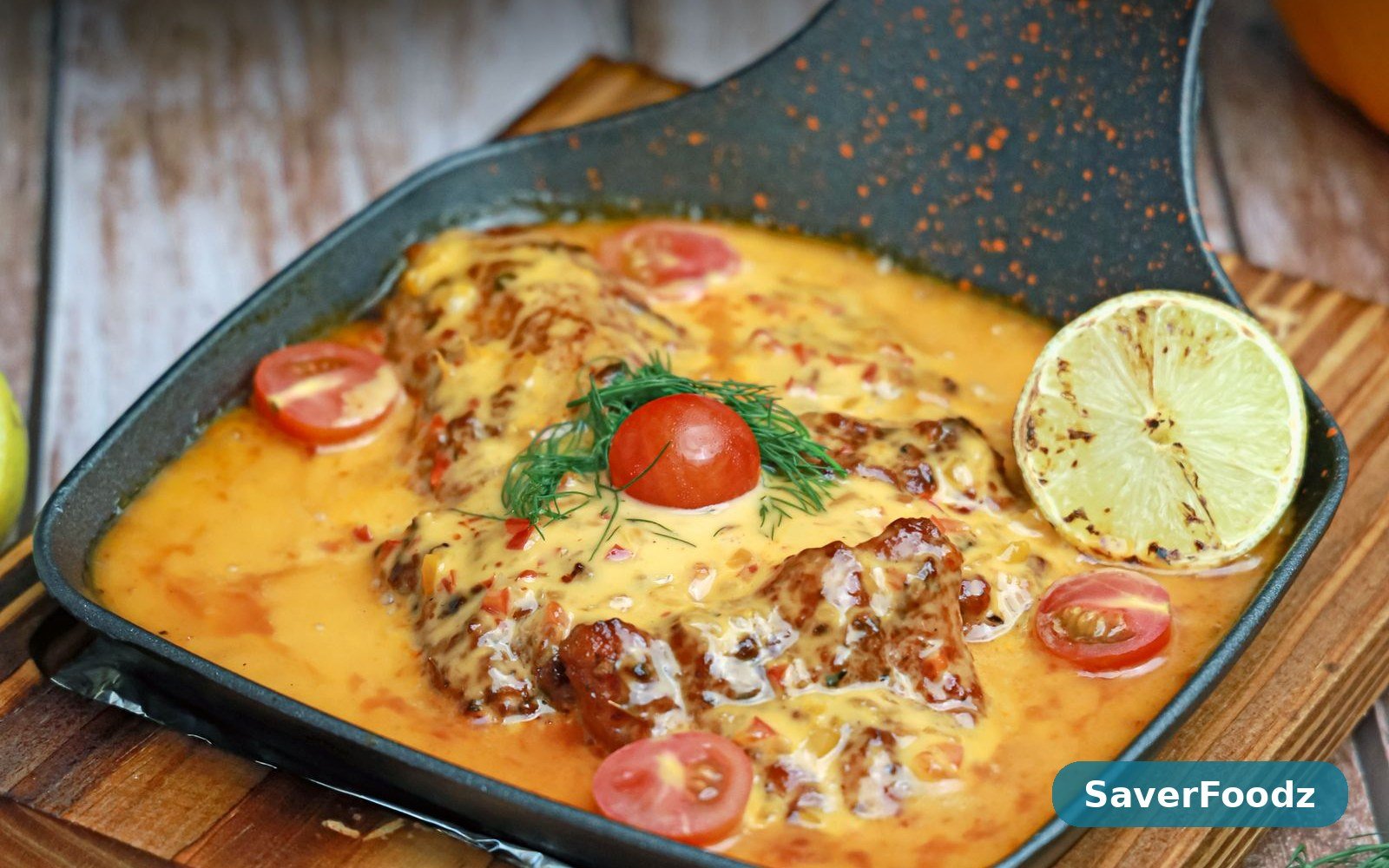
Creamy Tuscan Chicken Skillet
Some dinners feel like a treat even when they only took half an hour, and this creamy Tuscan chicken skillet is one of them. The first time I made it, I was in one of those moods where I wanted something that tasted like a restaurant meal but I had absolutely no intention of leaving the house, changing out of my comfortable clothes, or washing more than one pan. What came out of the skillet that night was so good that my husband asked if I had ordered takeaway and plated it up to fool him. I had not. It was just chicken, cream, garlic, sun-dried tomatoes, and a handful of spinach, and somehow those ordinary things turned into a sauce I wanted to mop up with bread until the pan was clean.
That is the beauty of Tuscan-style cooking. It is not fussy, and it does not rely on a long list of exotic ingredients. It is built on a few strong flavours that love each other: garlic softened in butter, tomatoes that have been dried in the sun until they are sweet and chewy, cream that turns silky as it simmers, and parmesan melting in at the end to make everything taste a little richer. Add a pile of fresh spinach, which wilts down into the sauce in about a minute, and you have a dish that looks impressive, tastes like you worked much harder than you did, and leaves you with exactly one pan to wash.
This is a weeknight recipe through and through. The chicken sears in about ten minutes, the sauce comes together while the chicken rests, and the whole thing is on the table in around thirty-five minutes from the moment you start. It works for a family dinner, it works when friends drop by unexpectedly, and it works on those evenings when you want to cook something proper but your energy is running low. Serve it with pasta, mashed potatoes, or just a loaf of crusty bread, and dinner is done.
Why This Recipe Works
The secret to a great creamy chicken skillet is not the cream. It is the sear. When chicken hits a properly hot pan, the outside browns and develops deep, savoury flavour, and those browned bits left stuck to the bottom of the pan — the fond, as cooks call it — become the base of the sauce. If you skip the sear and just simmer pale chicken in cream, you end up with something that tastes flat and looks a bit sad. A good golden crust on the chicken does half the flavour work before the sauce even starts.
The sauce itself follows a simple order, and the order matters. Garlic goes into the butter first, just until it smells fragrant, because burnt garlic turns bitter and there is no fixing it once it has. Then the sun-dried tomatoes go in, and their oil and sweetness flavour the whole pan. A splash of chicken broth loosens everything and lifts the browned bits off the bottom, which is where the real depth of flavour lives. Only then does the cream go in, and it simmers gently — never boiled hard — until it thickens enough to coat a spoon.
Parmesan goes in last, off the fiercest heat, and that is deliberate. If you boil parmesan hard, it can turn grainy and clump. Stirred in gently at the end, it melts smoothly and thickens the sauce just enough to cling to the chicken. A handful of spinach goes in right at the end too, because it only needs a minute to wilt, and if you cook it any longer it loses its colour and turns stringy. The result is a sauce that is rich without being heavy, with little bursts of sweetness from the tomatoes and a fresh green note from the spinach.
There is also something genuinely good about the ingredients themselves. Spinach is one of those vegetables that punches well above its weight — Healthline’s guide to spinach covers its iron, folate, and vitamin content, and it is the kind of green that actually tastes good once it has soaked up a creamy sauce. And tomatoes, sun-dried or fresh, have a long history in Italian cooking — Britannica’s overview of the tomato plant traces how a fruit once grown as an ornamental curiosity became the backbone of so many Mediterranean dishes. Drying tomatoes in the sun concentrates their flavour into something sweet, tangy, and almost chewy, which is exactly what this sauce needs.
Ingredients
This recipe serves four people generously. It doubles easily if you are feeding a crowd, though you will want a larger skillet or you will need to sear the chicken in two batches. Here is what you will need:
- 4 boneless, skinless chicken breasts (about 700 g / 1 1/2 lb), pounded to even thickness
- 1 teaspoon fine sea salt, plus extra to taste
- 1/2 teaspoon black pepper, freshly ground
- 1 teaspoon sweet paprika
- 1/2 teaspoon garlic powder
- 2 tablespoons plain flour, for dusting
- 2 tablespoons olive oil
- 2 tablespoons unsalted butter
- 4 cloves garlic, thinly sliced or minced
- 1/2 cup (about 80 g) sun-dried tomatoes in oil, drained and sliced
- 1 teaspoon Italian seasoning
- 1/2 teaspoon chilli flakes (optional, for a gentle warmth)
- 1/2 cup (120 ml) chicken broth, low sodium if you have it
- 1 cup (240 ml) heavy cream
- 1/2 cup (50 g) parmesan cheese, freshly grated
- 3 big handfuls fresh baby spinach (about 90 g)
- A small handful of fresh basil leaves, torn, to finish
A few notes before you start. Chicken breasts vary wildly in size, and a thick one can take twice as long to cook as a thin one. Pounding them to an even thickness — about 2 cm or 3/4 inch — is the single best thing you can do for this recipe, because it means every piece finishes at the same time and none of them dry out while you wait for the thickest one. Put each breast between two sheets of baking paper and give it a few firm taps with a rolling pin or the flat side of a meat mallet. It takes two minutes and it changes everything.
Use sun-dried tomatoes packed in oil, not the dry ones in a bag. The oil-packed kind are soft, sweet, and ready to slice straight out of the jar. The dry ones need soaking and never quite get the same tender chew. And grate your parmesan fresh if you can. The pre-grated kind in a tub contains anti-caking agents that can make a cream sauce go slightly grainy. A small block of parmesan, a box grater, and thirty seconds is all it takes, and the sauce will be noticeably smoother for it.
How to Make Creamy Tuscan Chicken Skillet
Start by seasoning the chicken. Pat the breasts dry with paper towels — a dry surface browns far better than a damp one — then sprinkle both sides with the salt, pepper, paprika, and garlic powder. Dust them very lightly with the flour, shaking off any excess. The flour is not a batter. It is a whisper-thin coating that helps the chicken brown beautifully and gives the sauce a little extra body later. You should still be able to see the chicken through it.
Heat the olive oil in a large skillet over medium-high heat. You want the pan properly hot before the chicken goes in. A good test is to flick a tiny drop of water into the pan — if it sizzles and evaporates straight away, you are ready. If it just sits there, give the pan another minute. Lay the chicken breasts in the pan, leaving space between them, and do not touch them for four to five minutes. I know it is tempting to peek and shuffle them around, but the browning happens while they sit still. When the underside is a deep golden colour, flip each piece and cook the other side for another four to five minutes, until the chicken is cooked through and the juices run clear.
Transfer the chicken to a plate and cover it loosely with foil to keep it warm. Do not wipe out the pan. Those browned bits stuck to the bottom are pure flavour, and you are about to turn them into sauce. Turn the heat down to medium, add the butter, and let it melt and foam. Add the garlic and cook for about thirty seconds, just until it smells wonderful. Then add the sun-dried tomatoes, Italian seasoning, and chilli flakes if you are using them, and stir everything around for a minute so the tomatoes soften and their flavour starts to bloom in the butter.
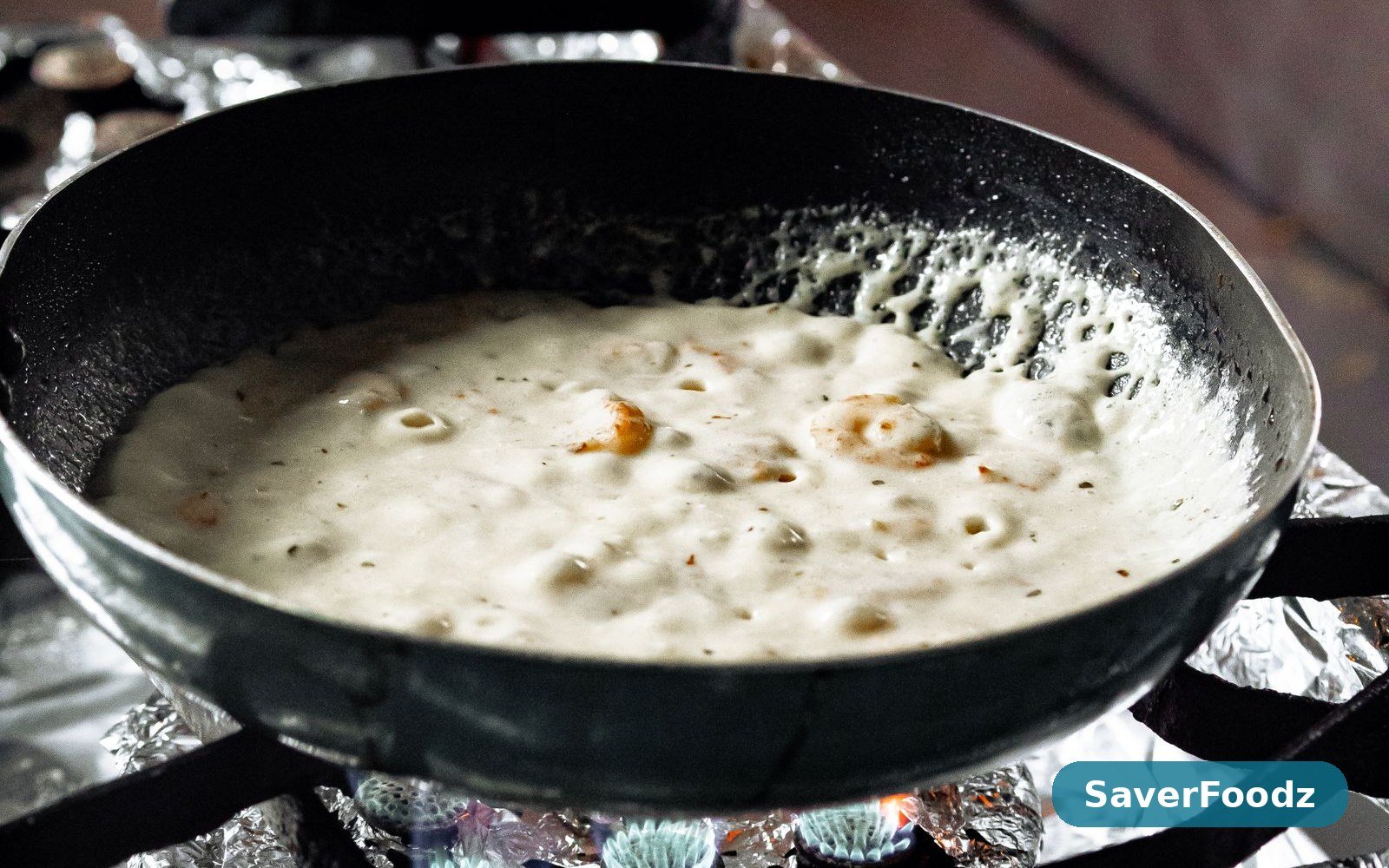
Pour in the chicken broth and scrape the bottom of the pan with a wooden spoon as it bubbles. You will see the browned bits lift off and dissolve into the liquid — that is the fond turning into flavour, and it is the best part of a one-pan sauce. Let the broth simmer for two minutes to reduce slightly, then pour in the cream and stir. Turn the heat down to medium-low and let the sauce simmer gently for three to four minutes. You want a lazy bubble, not a rolling boil. The sauce will thicken enough to coat the back of a spoon.
Now stir in the parmesan, a small handful at a time, letting each addition melt before you add the next. Taste the sauce and adjust the salt — parmesan is salty, so you may not need much more. Then add the spinach, a handful at a time, stirring gently until each batch wilts into the sauce. It looks like far too much spinach at first, and then, about a minute later, it has shrunk down to almost nothing. That is normal. Spinach is mostly water and it always looks like more than it is.
Slide the chicken breasts back into the skillet, along with any juices that collected on the plate. Spoon some of the sauce over the top of each piece, turn the heat down to low, and let everything simmer together for two to three minutes so the chicken warms through and soaks up a little of the sauce. Scatter the torn basil leaves over the top and serve straight from the pan, while the sauce is still glossy and the spinach is bright green.
Tips for the Best Creamy Sauce
Do not boil the cream hard. This is the one rule that matters more than any other in this recipe. Cream that boils vigorously can split, leaving you with a greasy, grainy sauce instead of a silky one. Once the cream goes in, keep the heat at medium-low and look for gentle bubbles around the edges of the pan. If the sauce starts bubbling aggressively, turn the heat down. Patience here pays off in texture.
Do not crowd the pan when you sear the chicken. Four breasts in a large skillet is usually fine, but if your pan is on the small side, sear them in two batches. Crowded chicken steams instead of browning, and you lose the golden crust and the fond that make the sauce taste so good. A second batch takes five extra minutes. Pale, steamed chicken costs you the whole dish.
Let the chicken rest before you slice it. If you cut into a chicken breast the moment it comes out of the pan, the juices run straight out onto the cutting board and the meat dries out. Even three or four minutes of resting, loosely covered with foil, lets the juices settle back into the meat. In this recipe the chicken rests while you make the sauce anyway, so it works out perfectly without any extra waiting.
If your sauce ends up thinner than you would like, let it simmer for another minute or two before adding the parmesan, and it will tighten up. If it ends up thicker than you would like, a splash of chicken broth or cream stirred in at the end will loosen it without changing the flavour. Sauces are forgiving like that. Taste as you go, adjust as you need to, and trust your own judgement over the clock.
Serving Ideas
This chicken loves something to soak up the sauce, and that is where you get to choose your own adventure. My first choice is always pasta — a wide ribbon like fettuccine or tagliatelle catches the cream beautifully, and tossing the pasta straight into the skillet with the chicken turns it into a proper one-pan dinner. If you want a lighter option, serve it over rice or with a pile of creamy mashed potatoes, which are basically built for this kind of sauce.
Crusty bread is the simplest partner of all, and honestly, it might be the best. A good loaf, torn into chunks, is the perfect tool for mopping up every last bit of sauce from the pan, and there is something deeply satisfying about a meal that ends with a clean skillet and no sauce left behind. Add a simple green salad on the side and you have a complete dinner that feels balanced rather than heavy.
This skillet also sits happily in a wider spread. If you are cooking for a family Sunday dinner, it pairs beautifully with one-pan lemon herb chicken orzo on a night when you want two chicken dishes with completely different flavours on the table — one bright and lemony, one rich and creamy. For a simpler weeknight, serve it alongside roasted broccoli with parmesan and lemon, whose crisp, bright edges cut through the richness of the cream sauce in exactly the right way.
And if you are planning a whole chicken-themed evening, start with the lighter dishes and build up to this one. Creamy garlic butter chicken thighs is a close cousin of this recipe, and honey mustard baked chicken drumsticks brings a sticky sweetness that contrasts nicely with the savoury Tuscan flavours. Save this skillet for the main event, though. It deserves the centre of the table.
Storage and Reheating
Leftovers keep well in the fridge for up to three days, stored in an airtight container with the sauce poured over the chicken so it does not dry out. The sauce will thicken as it cools — that is normal, and it loosens up again when you reheat it. Warm it gently in a skillet over low heat, with a splash of cream or chicken broth stirred in to bring the sauce back to life. Avoid the microwave if you can, because it heats unevenly and can make the sauce separate. If the microwave is your only option, use half power and short bursts, stirring between each one.
This is not a great dish to freeze. Cream sauces tend to split when they thaw, and the spinach goes limp and watery. If you do need to make it ahead, cook the chicken and make the sauce, but leave the spinach out. Freeze the chicken and sauce together for up to a month, thaw overnight in the fridge, reheat gently, and then stir in fresh spinach at the end. It will not be quite as good as fresh, but it will be close, and on a busy week that is sometimes exactly what you need.
If you have leftover sauce but no chicken left, do not throw it away. It is wonderful tossed through pasta the next day, spooned over baked potatoes, or used as a sauce for a quick vegetable skillet. A little extra sauce is never a problem in this house. It is an opportunity.
Variations to Try
Once you have made this skillet a few times, it becomes a template you can play with. Mushrooms are the most natural addition — slice them and cook them in the butter before the garlic goes in, letting them brown properly so they add an earthy depth to the sauce. A handful of artichoke hearts, drained and halved, stirred in with the sun-dried tomatoes, gives the dish a slightly tangy, Mediterranean edge that works beautifully with the cream.
Chicken thighs work just as well as breasts here, and some people prefer them. Boneless, skinless thighs are harder to overcook, they stay juicier, and they bring a little more flavour to the pan. They need a minute or two longer to cook through, so check that they are done before you move on to the sauce. If you are using bone-in thighs, give them more time still, and let them finish simmering in the sauce for a few extra minutes at the end.
For a lighter version, you can swap half the cream for whole milk, though the sauce will be thinner and a little less rich. A spoonful of cream cheese stirred in at the end helps it thicken back up and adds a pleasant tang. And if you like heat, a little more chilli flakes, or a diced fresh chilli cooked in with the garlic, turns this into a dish with a proper kick. The sun-dried tomatoes are sweet enough to balance it, so do not be shy.
You can also change the greens. Baby spinach is the classic choice, but chopped kale, added a few minutes earlier so it has time to soften, works well too. Or try a handful of rocket stirred in right at the very end — it wilts almost instantly and adds a peppery note that cuts through the richness of the cream in a lovely way.
Frequently Asked Questions
Can I use chicken thighs instead of chicken breasts?
Yes, absolutely. Boneless, skinless chicken thighs are a great swap — they stay juicier than breasts and are much harder to overcook. They need about a minute longer per side in the pan. If you use bone-in thighs, they will need longer still, around seven to eight minutes per side, and a few extra minutes simmering in the sauce at the end to make sure they are cooked all the way through. Check with a meat thermometer if you have one. You are looking for 74°C (165°F) in the thickest part.
Can I make this dairy-free?
You can, with a couple of swaps. Use a full-fat coconut cream in place of the heavy cream, and a dairy-free parmesan alternative or nutritional yeast in place of the parmesan. The flavour will be a little different — coconut cream brings a faint sweetness — but the sun-dried tomatoes and garlic carry the dish well, and it still tastes rich and satisfying. Use olive oil instead of butter, and the recipe works the same way from start to finish.
Why is my sauce too thin?
Usually it just needs more time. Let the cream simmer gently for another two or three minutes before you add the parmesan, and it will reduce and thicken on its own. The parmesan itself thickens the sauce too, so make sure you have added all of it before you judge. If it is still thinner than you like, a teaspoon of plain flour whisked into a tablespoon of cold water and stirred in will fix it in about a minute. Just do not add flour directly to the hot sauce, or it will clump.
Can I make creamy Tuscan chicken ahead of time?
Yes, with one small change. Cook the chicken and make the sauce, but leave the spinach out and store them together in the fridge for up to two days. When you reheat, warm everything gently in a skillet over low heat with a splash of cream, and stir the fresh spinach in at the very end. Spinach wilts in a minute, so there is no reason to cook it twice. The dish actually tastes a little better the second day, once the flavours have had time to settle together.
What should I serve with Tuscan chicken?
Almost anything that can carry sauce. Pasta is the classic choice — fettuccine, penne, or orzo all work. Mashed potatoes are wonderful, especially if you make them with a little extra butter. Crusty bread is the simplest option and my personal favourite, because nothing else mops up a cream sauce quite so well. For vegetables, roasted broccoli, green beans, or a simple salad with a sharp lemon dressing all balance the richness nicely. Keep the sides simple. The chicken is the star here.
That is the whole recipe. One pan, thirty-five minutes, and a dinner that tastes like you spent the evening in a little restaurant in Tuscany instead of your own kitchen on a Tuesday night. The next time you are standing in front of the fridge wondering what to cook, and there is a packet of chicken and a jar of sun-dried tomatoes in the cupboard, you know what to make. And when the pan comes back to the table clean, with nothing left but a few basil leaves and a smear of sauce, you will know it worked.